-
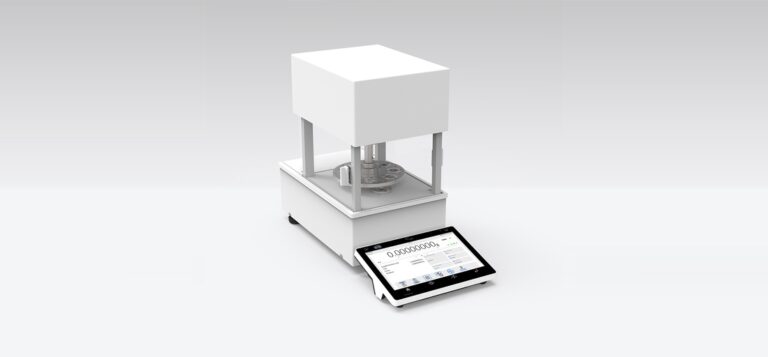
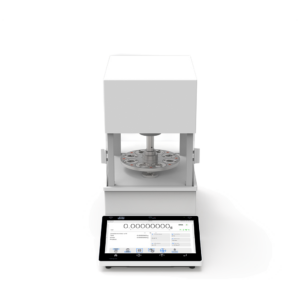
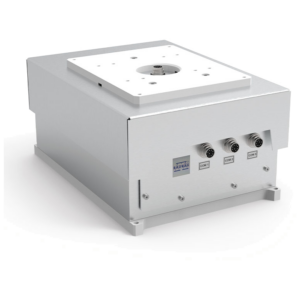
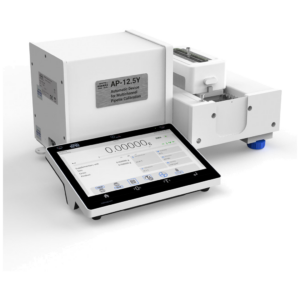
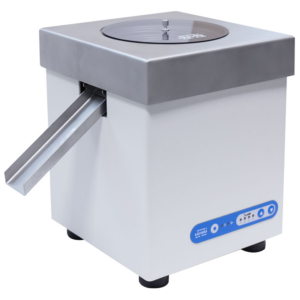
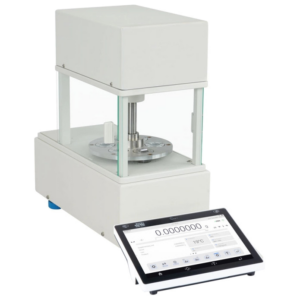
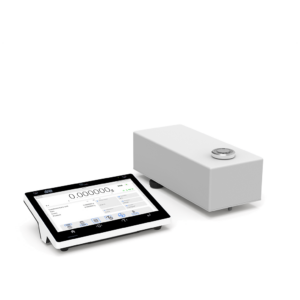
ANB 1.5Y Automatic Nano Balance joins the RADWAG range
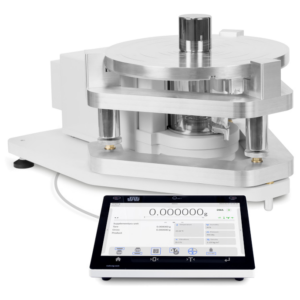
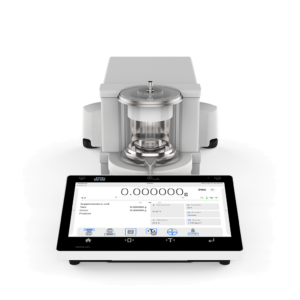
RADWAG has introduced the ANB 1.5Y for weighing extremely small samples. The instrument combines a 1 g capacity with 10 ng readability. An electromagnetic actuator, automated sample weighing and a closed chamber help keep measurement cycles consistent.
-
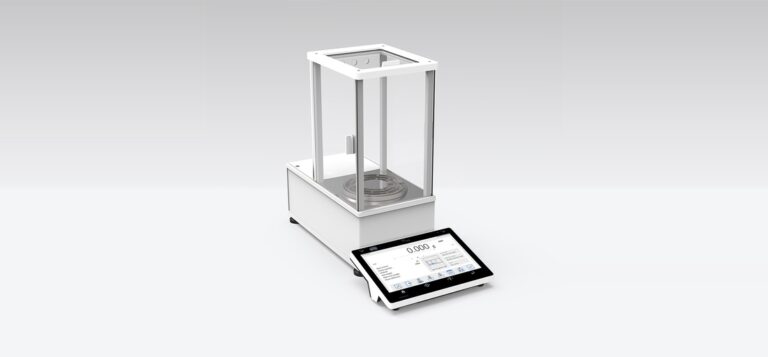
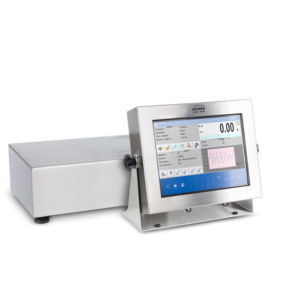
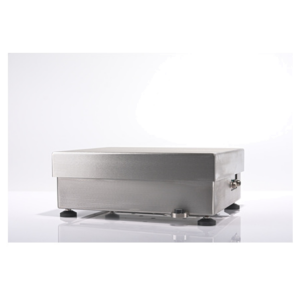
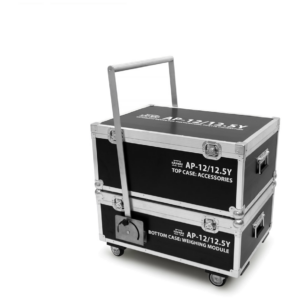
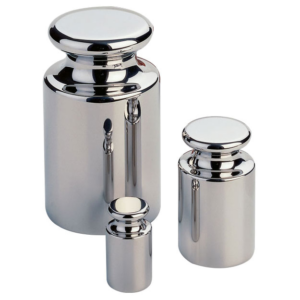
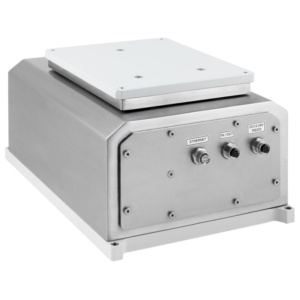
New PS 5100.5Y.KO manual mass comparator
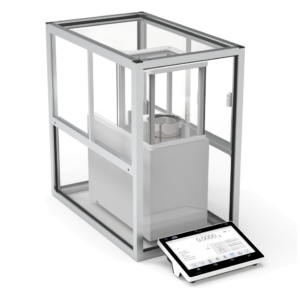
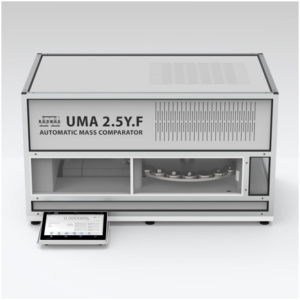
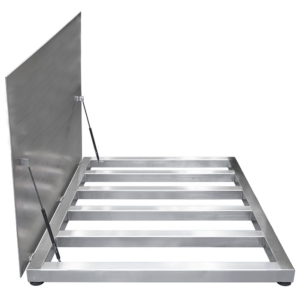
The PS 5100.5Y.KO succeeds the WAY 5100.5Y.KO with a redesigned, lower weighing pan. This reduces the effort involved in placing loads of up to 5.1 kg on the comparator.
-
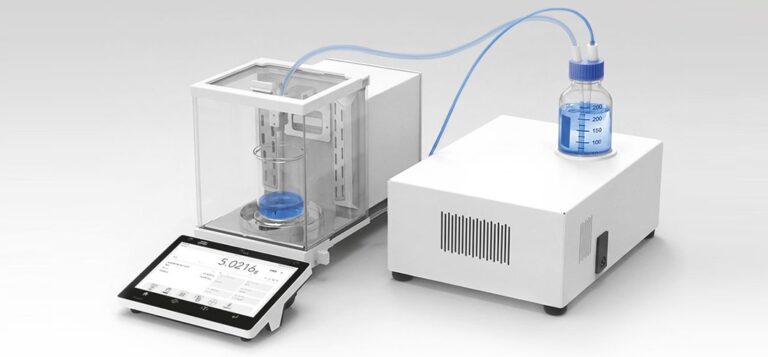
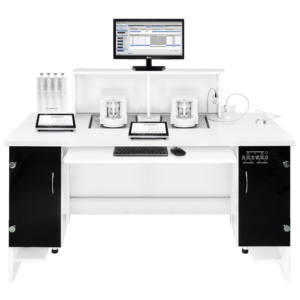
LDS.1.5Y and LDS.2.5Y liquid dosing systems introduced
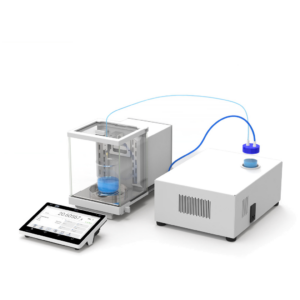
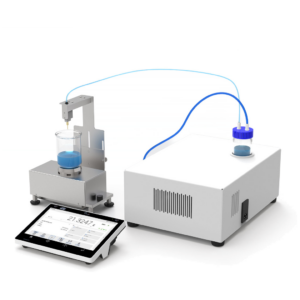
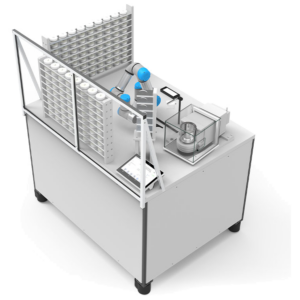
RADWAG has added two automated liquid dispensing solutions: LDS.1.5Y and LDS.2.5Y. Both use continuous weighing and feedback control to regulate the amount of liquid delivered.
-
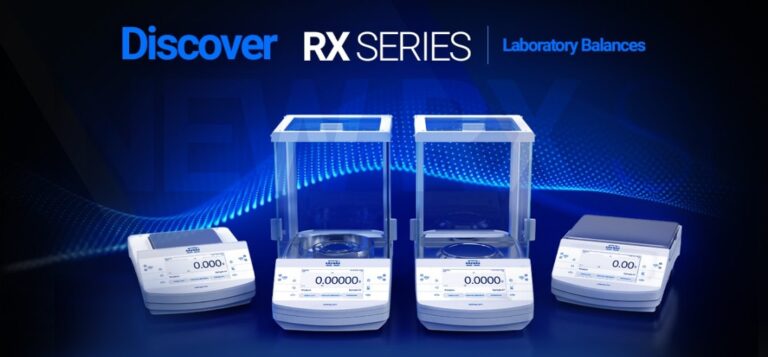
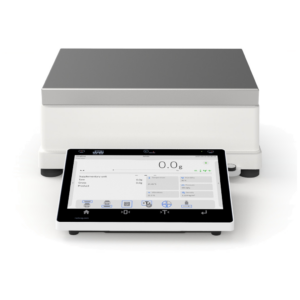
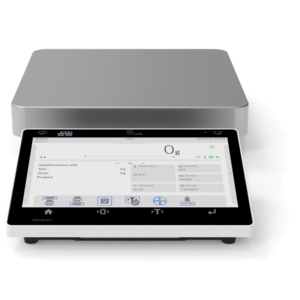
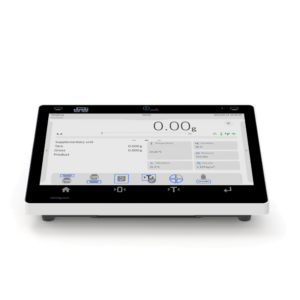
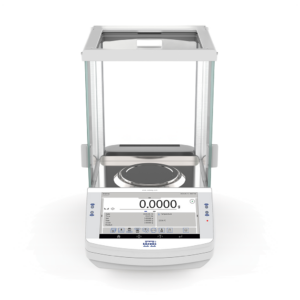
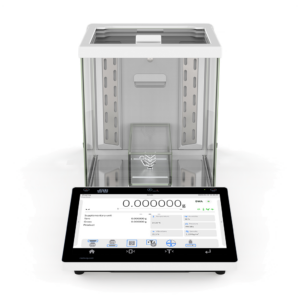
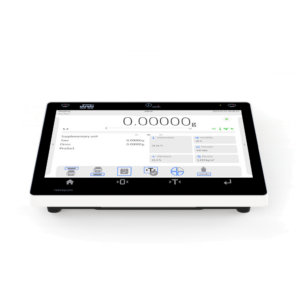
New AS RX, PS RX and PS RX.M laboratory balances
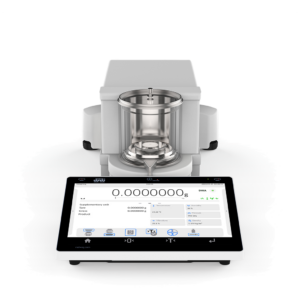
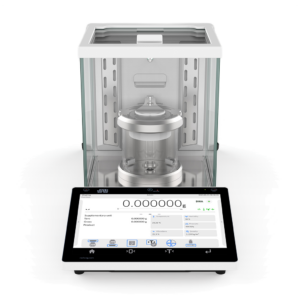
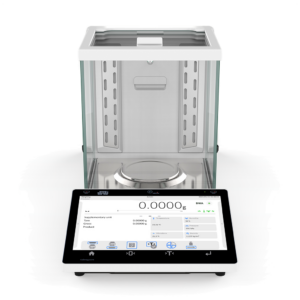
The RX family expands RADWAG’s analytical and precision balance range with a 5-inch touchscreen, adjustable display themes and automatic internal adjustment. AS RX models cover capacities from 60 g to 520 g, with readability of 0.01–0.1 mg. PS RX and…
-

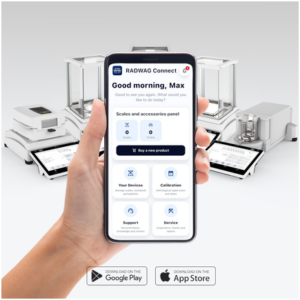
RConnect app brings RADWAG equipment and support together
RConnect is a new free application for organising RADWAG equipment records and accessing support. Users can keep service documents, calibration information and instrument histories together.
-

How air and environmental conditions affect precise weighing
A balance responds to forces, so the surrounding air is part of a high-precision measurement. Air buoyancy changes with air density, which depends on temperature, pressure and humidity. Differences that are negligible in ordinary weighing can matter when measuring very…
-
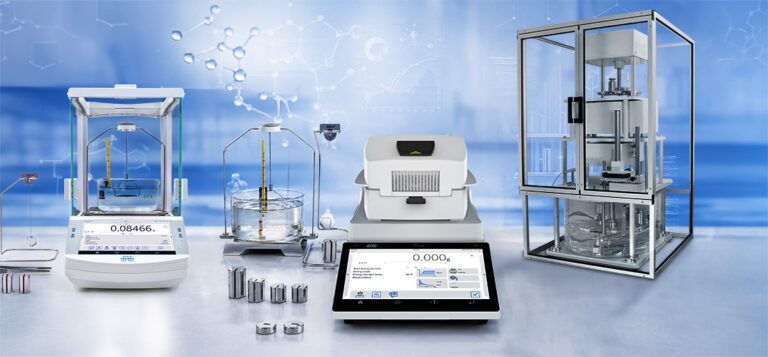
Using balances to measure density, sorption and other indirect quantities
A laboratory balance can reveal more than the mass of an object. With a defined measurement method, changes in the force on its measuring system can be related to density, material uptake or other physical properties.
-
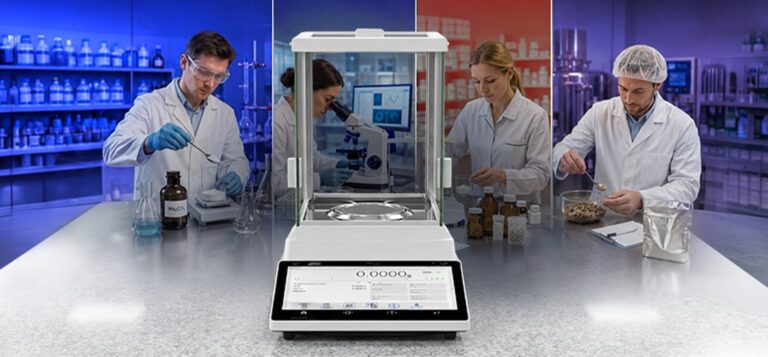
Analytical balances: applications and measurement requirements
Analytical balances support work where small errors in sample mass can affect the next stage of an analysis. Typical uses include preparing chemical solutions, weighing research samples and checking ingredients in pharmaceutical, food and industrial laboratories.
-
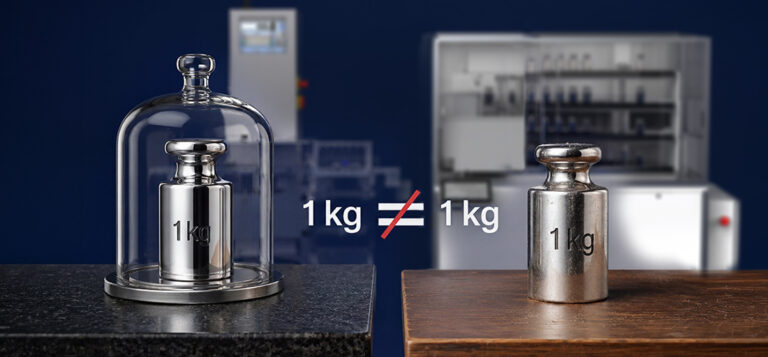
Mass, weight and location: why weighing results can change
Mass and weight describe different quantities. Mass is expressed in kilograms; weight is a force that depends on local gravitational acceleration. An electronic balance converts its response to that force into a mass indication.
-
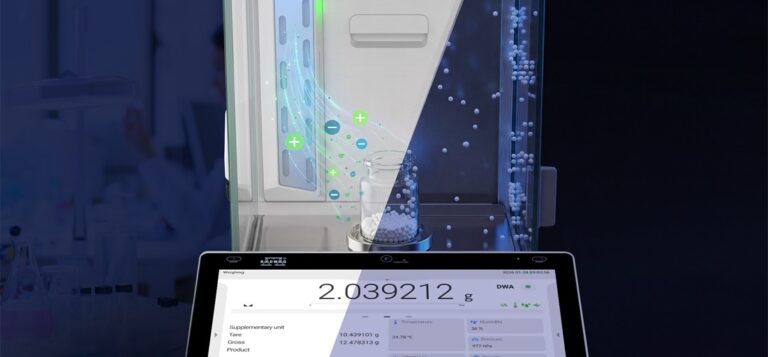
Recognising and controlling static electricity during weighing
Electrostatic charge can build up while handling plastic containers, pouring powders or rubbing materials. A charged sample or vessel may interact with the chamber or other surroundings, producing a force that the balance interprets as a change in mass.
-
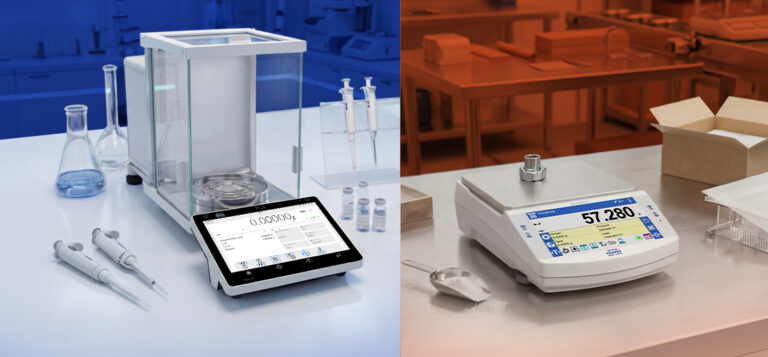
Choosing between an analytical balance and a precision balance
Select the balance around the measurement task rather than the smallest division available. Analytical balances generally provide finer readability and need stronger protection from air movement and other disturbances. Precision balances often offer higher capacity and a more practical arrangement…
-
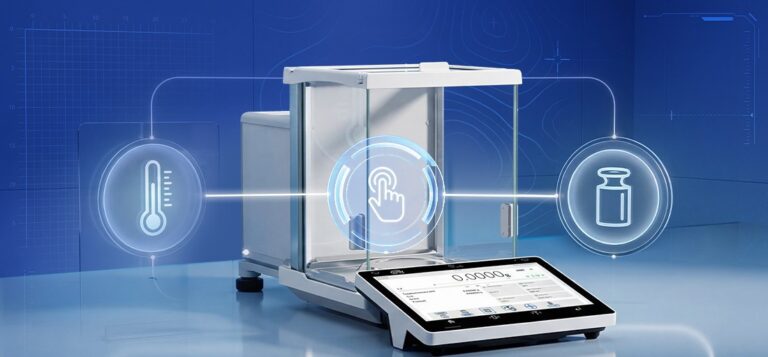
When to adjust a laboratory balance and how to plan calibration
Adjustment and calibration serve different purposes. Adjustment changes the instrument response; calibration establishes its measurement relationship and associated uncertainty. An automatic internal adjustment is therefore not a substitute for a complete calibration programme.