-
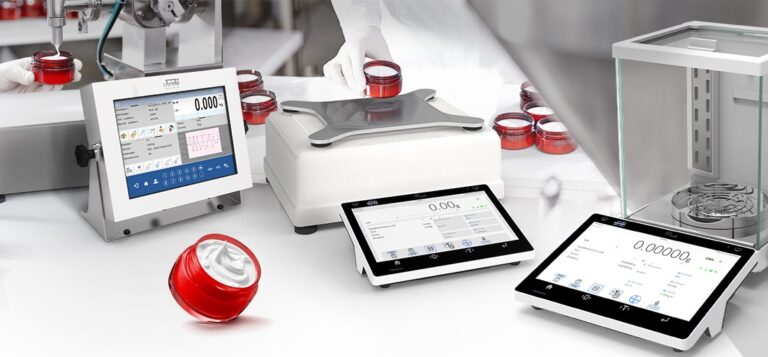
Choosing weighing equipment for cosmetics raw-material control
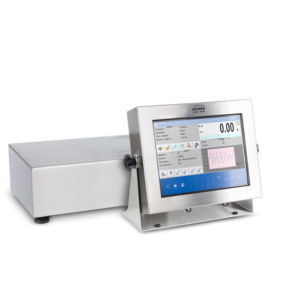
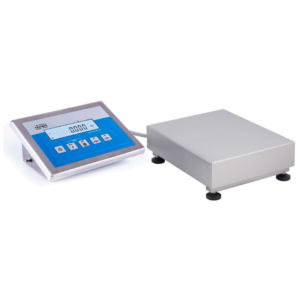
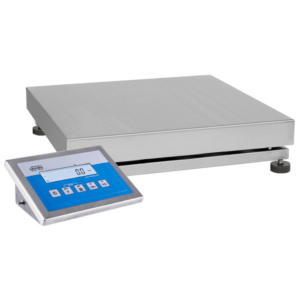
Cosmetics production involves different weighing tasks at the laboratory, quality-control and production stages. Small quantities of active ingredients or pigments may need an analytical balance, while larger batches require an appropriately sized precision or industrial instrument.
-
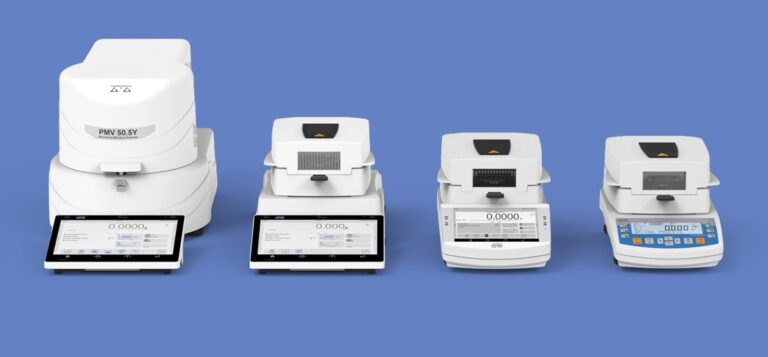
Comparing laboratory moisture analyser configurations
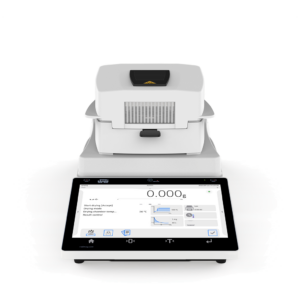
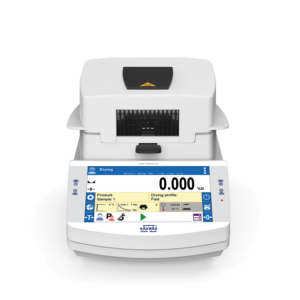
The moisture analyser families discussed in the source differ in heating technology, automation and workflow features. MA X7.A emphasises an automatic chamber and touch operation; PMV uses microwave heating; MA 5Y offers the 5Y operating platform; and MA R provides…
-
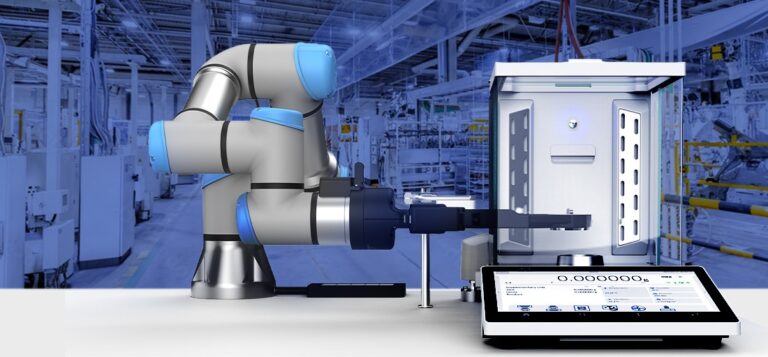
Connecting weighing operations with Industry 4.0 systems
A connected weighing process needs more than a readable display. The instrument must exchange useful data with production and information systems, identify process deviations and fit the control sequence.
-
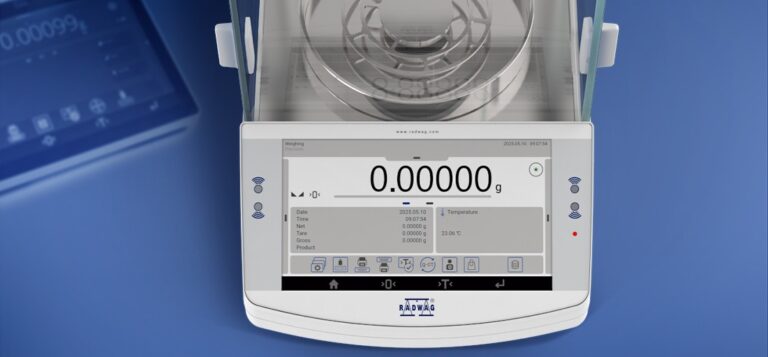
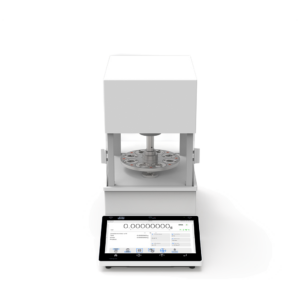
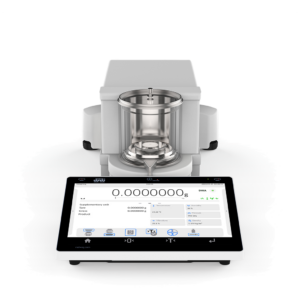
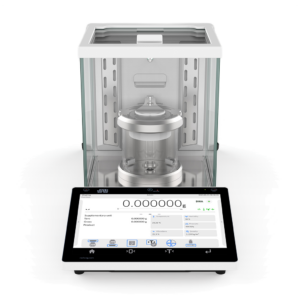
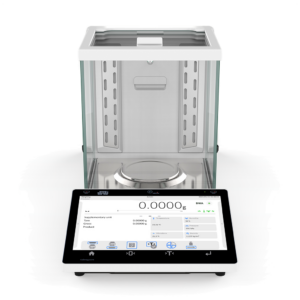
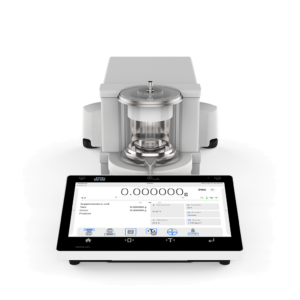
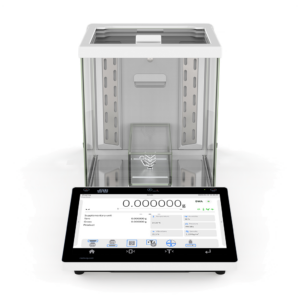
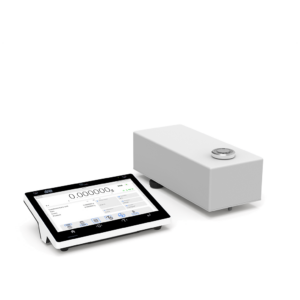
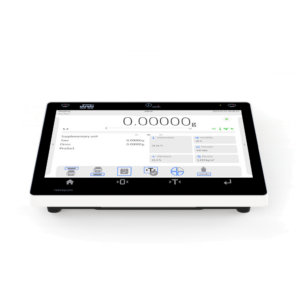
AS X7 and PS X7 balances gain refreshed displays and controls
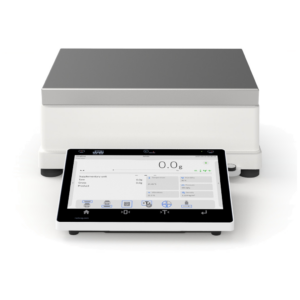
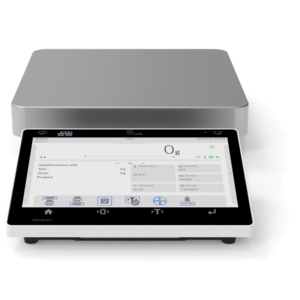
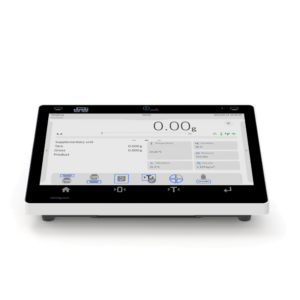
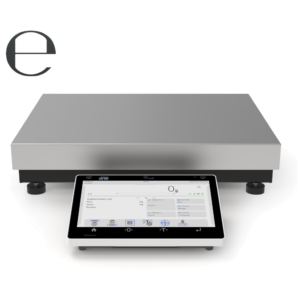
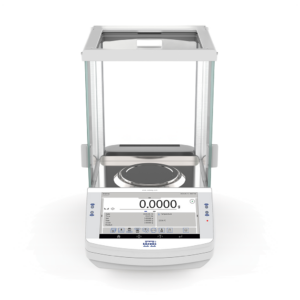
RADWAG has updated the AS X7 analytical and PS X7 precision balances with higher-resolution displays and faster touch response. Revised graphics and a different key arrangement draw on the appearance of the 5Y family.
-
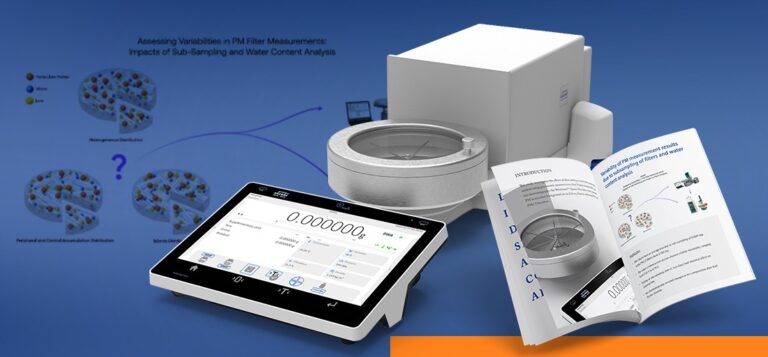
How cutting particulate-matter filters can affect gravimetric analysis
A study reported by RADWAG examined material losses when PM-loaded filters were cut for further analysis. The work used gravimetric measurements alongside Karl Fischer titration and ion chromatography on PM1 and PM2.5 samples collected in Zabrze.
-
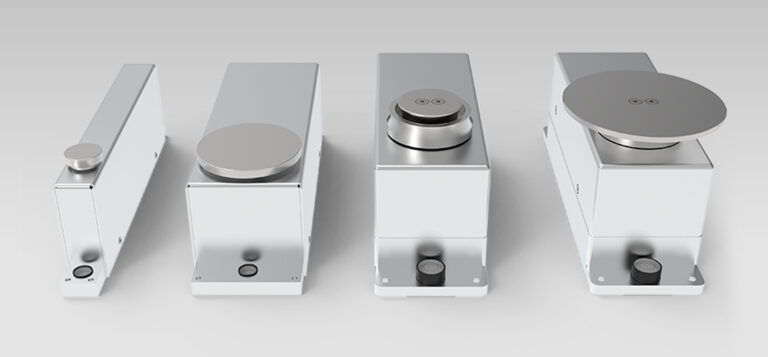
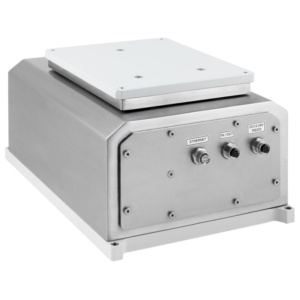
New MPS.M and MPS.T modules for integrated weighing
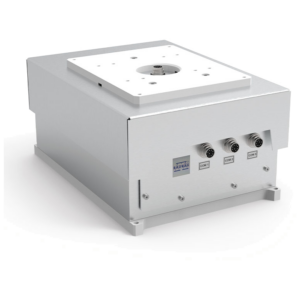
MPS.M and MPS.T extend RADWAG’s range of modules for machine builders and production automation. Readability starts at 0.001 g, supporting applications such as filling, batching and process checks.
-
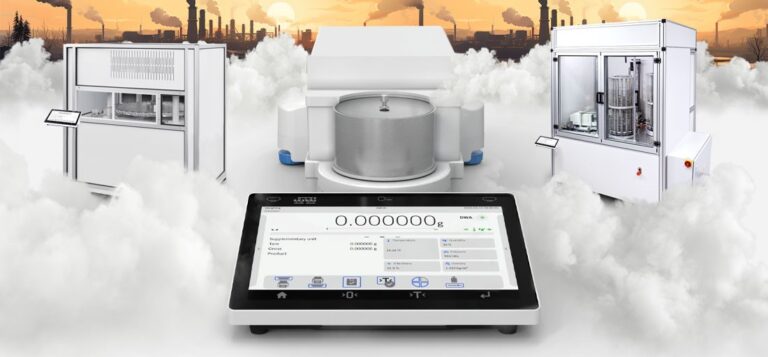
Humidity, temperature and automated weighing of PM filters
Two research papers linked by RADWAG examine how conditioning affects particulate-matter filter measurements. Their focus is the mass stability of filter materials and a comparison between manual and automated weighing under different relative humidities.
-
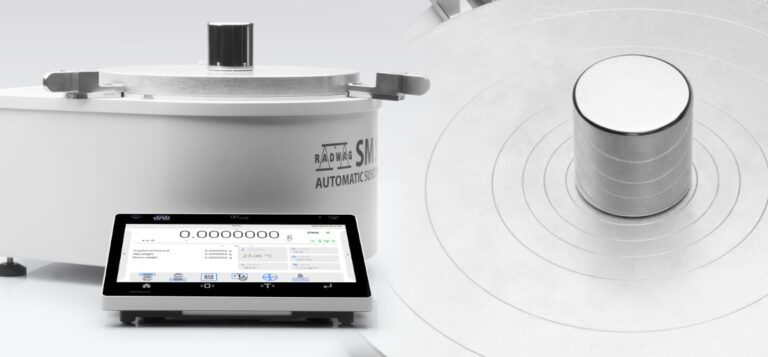
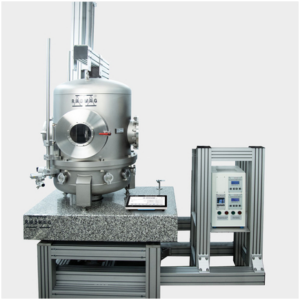
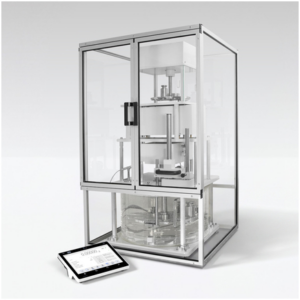
What a susceptometer measures in mass-standard testing
A mass standard can interact with the magnetic field of a weighing system. Susceptometry assesses magnetic susceptibility and permanent magnetisation, helping a calibration laboratory evaluate properties that a simple mass reading does not describe.
-
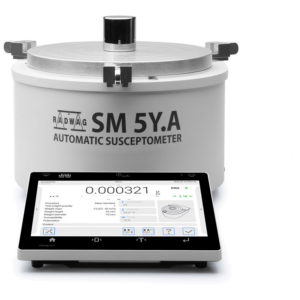
SM 5Y.A automatic susceptometer introduced
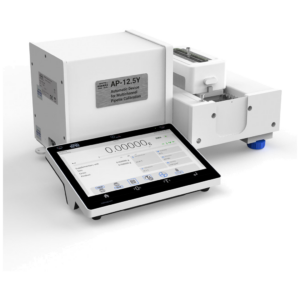
The SM 5Y.A automates checks of magnetic susceptibility and permanent magnetisation in mass standards. RADWAG specifies 1 µg readability for testing E1 and lower classes under OIML R111.
-
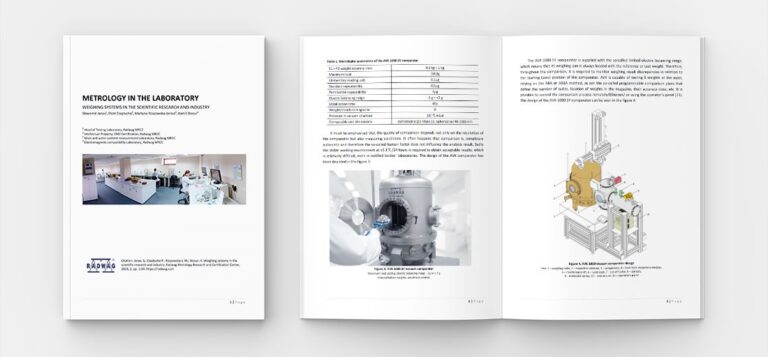
Metrology in the laboratory: a guide to weighing systems
The English publication Metrology in the Laboratory brings scientific and industrial weighing into one technical reference. It discusses the transfer of measurement values, small-scale measurements and the practical assessment of weighing systems.
-
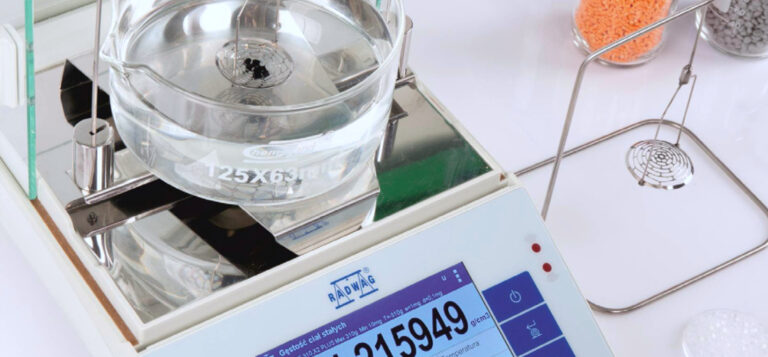
Determining plastic density by the immersion method
The immersion method compares a solid’s mass indication in air with its apparent mass when submerged in a liquid of known density. Buoyancy provides the link between the two readings and the sample volume.
-
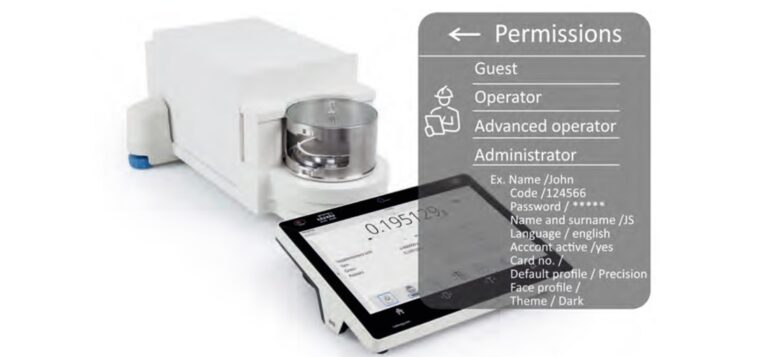
Electronic weighing records: audit trails, access and signatures
Electronic weighing records need a controlled history, not just a stored final number. The RADWAG article describes tools for recording changes, identifying users, applying electronic signatures and exporting audit information.