-

When legal verification differs from ordinary balance calibration
Whether a weighing instrument is subject to legal control depends on its application and jurisdiction. A balance used for a regulated purpose must be assessed against the requirements applicable to that use.
-

Matching pharmaceutical weighing equipment to the process stage
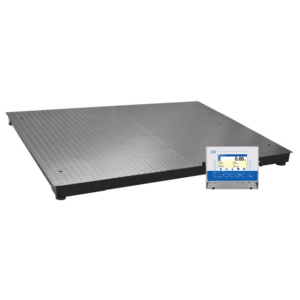
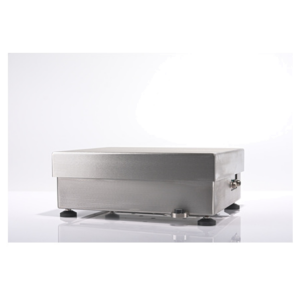
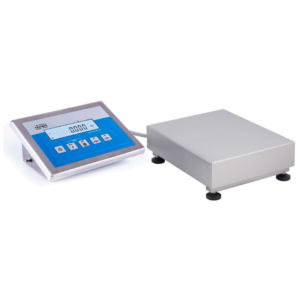
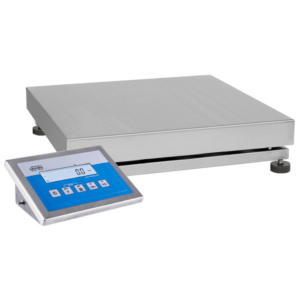
Pharmaceutical operations involve different loads and measurement decisions at receiving, laboratory, production and packing stages. A large platform scale used for incoming material does not address the same task as a microbalance used for a small analytical sample.
-
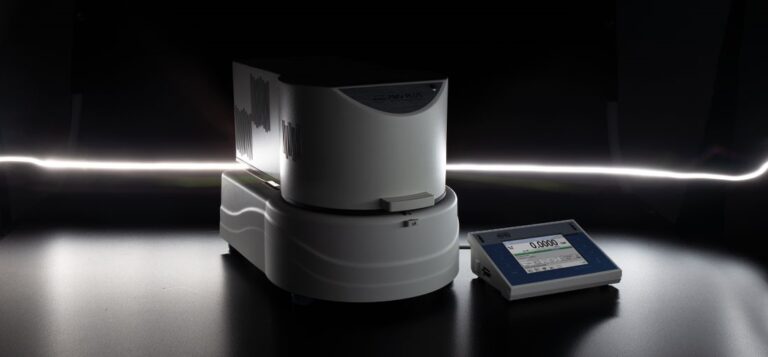
How microwave moisture analysis differs from surface heating
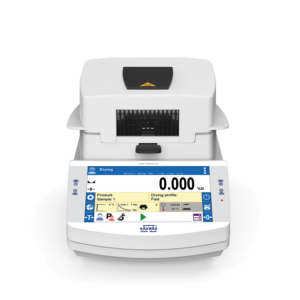
Microwave moisture analysis uses the interaction of the field with the sample, including water molecules, to supply energy during drying. This differs from heating mainly from the outside through convection or infrared radiation.
-

Planning routine balance tests in pharmaceutical work
A routine programme should distinguish calibration, adjustment and checks of characteristics such as repeatability, eccentricity and linearity. Each supplies different information about the instrument and weighing process.
-

Analytical balance selection: interpreting the main specifications
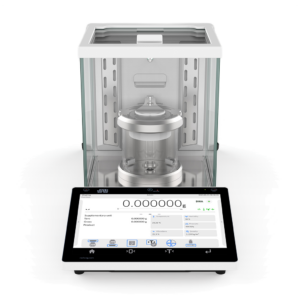
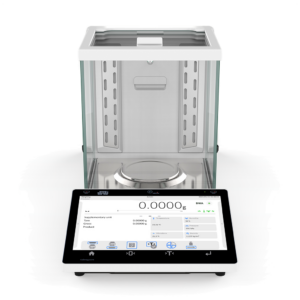
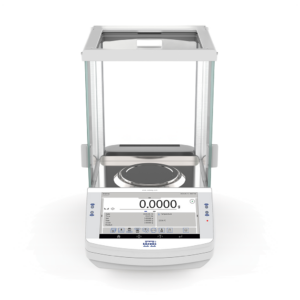
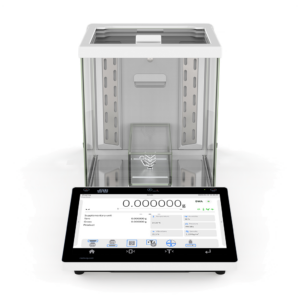
An analytical-balance comparison should begin with the measurement requirement. Readability describes the display division, repeatability the spread of repeated readings, and linearity the instrument response over its range. None is a complete substitute for the others.
-

Microbalances: matching small samples to a complete measurement system
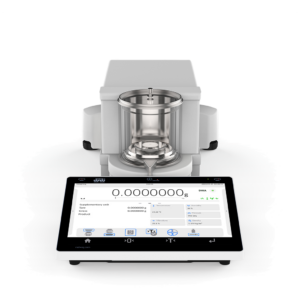
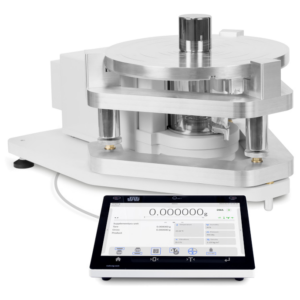
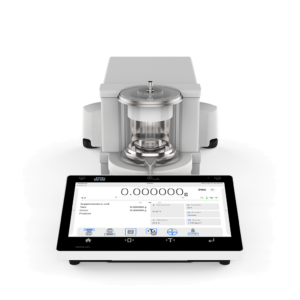
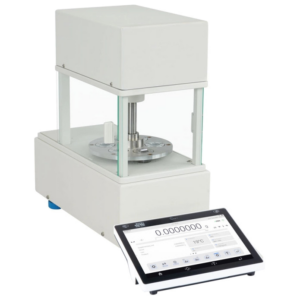
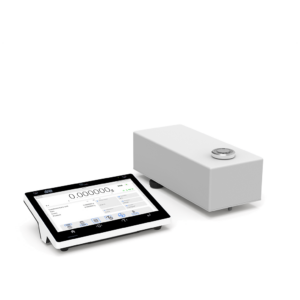
A microbalance combines fine readability with limited capacity and repeatability suited to very small samples. Its practical performance depends on the sample, environment and handling arrangement as well as the measuring unit.
-

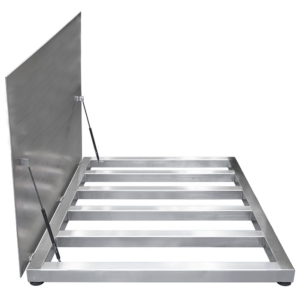
LD4N lifting system simplifies platform-scale cleaning
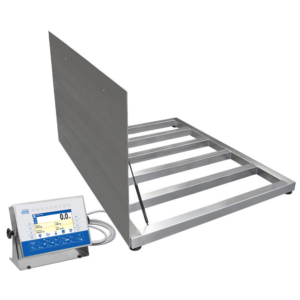
The new LD4N mechanism raises a weighing platform for cleaning without separate lifting equipment. Stainless steel gas struts support the movement; once lowered, the scale can return to weighing without recalibration.
-

Automatic pipette calibration adapter for XA.4Y.M.A
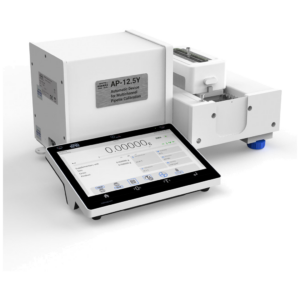
RADWAG has introduced a sensor-operated adapter with an evaporation ring for pipette calibration on XA.4Y.M.A microbalances. The adapter can be removed without tools.
-
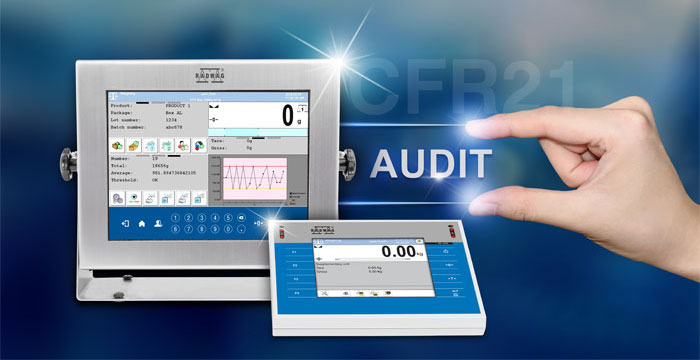
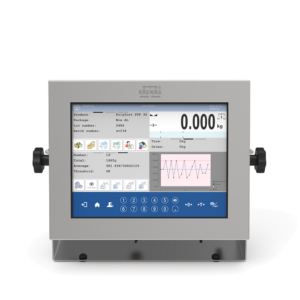
Audit Trail option announced for HY10 and PUE 7.1
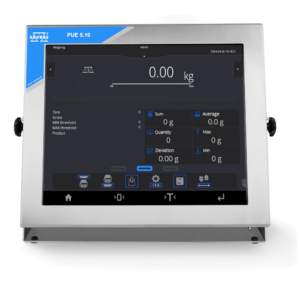
A new licensed Audit Trail function records database changes on instruments using HY10 or PUE 7.1 indicators. Entries identify the operator, time and values before and after a change, supporting traceability in regulated weighing workflows.
-

Removable chamber design introduced for MYA and UYA 4Y balances
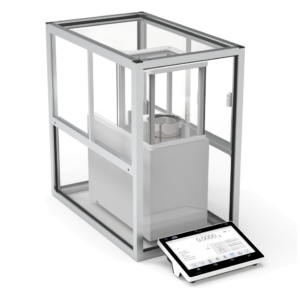
A redesigned chamber on MYA 4Y, MYA 4Y.P and UYA 4Y instruments can be fully taken apart for cleaning. This improves access to surfaces around the weighing area.
-
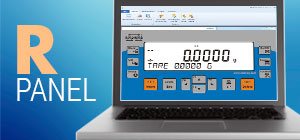
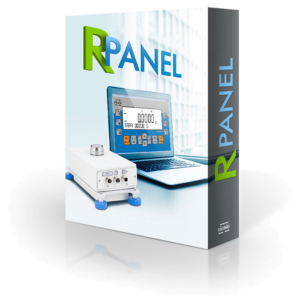
R Panel software brings module controls to Windows PCs
The new R Panel application provides a computer-based operating panel for MAS R and MPS R electromagnetic weighing modules. It runs on Windows.
-
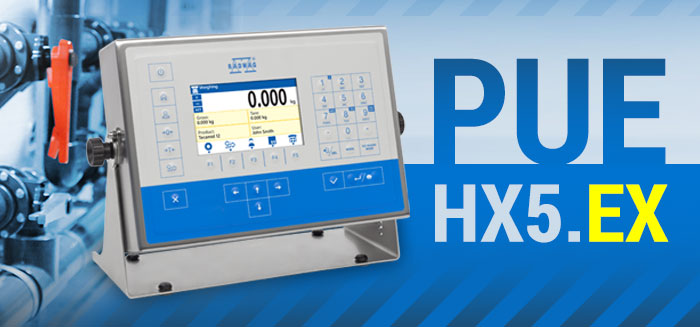
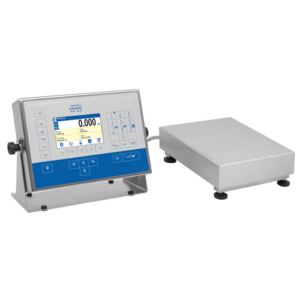
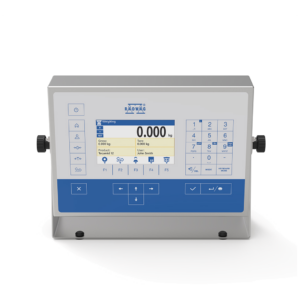
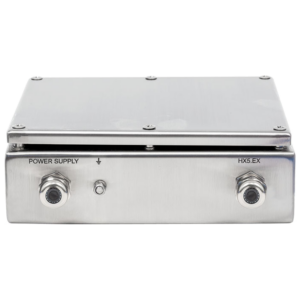
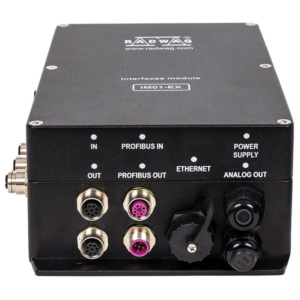
PUE HX5.EX indicator introduced for hazardous areas
The PUE HX5.EX expands RADWAG’s hazardous-area equipment range. The announcement specifies use in zones 1, 2, 21 and 22 under the ATEX 2014/34/EU design framework.