-

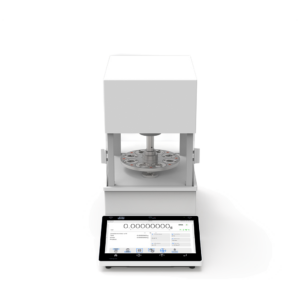
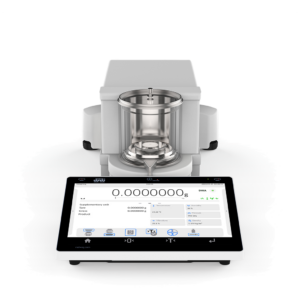
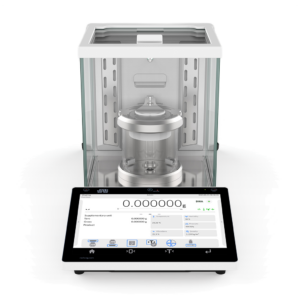
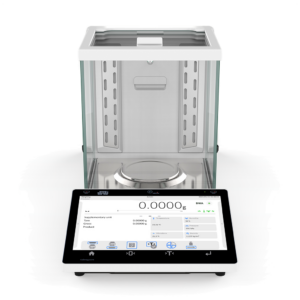
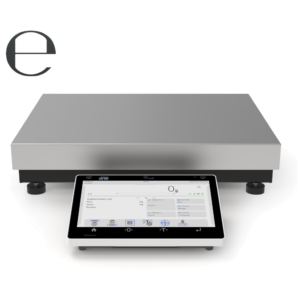
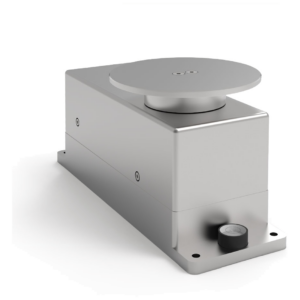
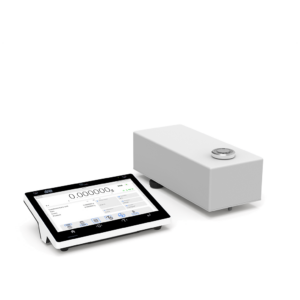
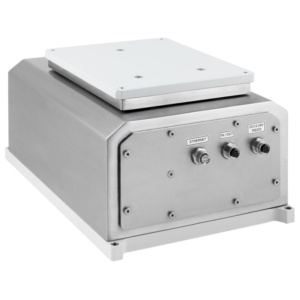
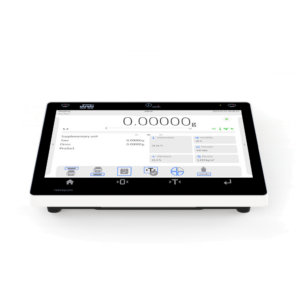
ELLIPSIS introduces a new generation of laboratory balances
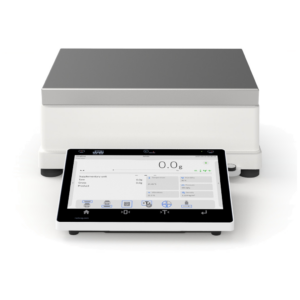
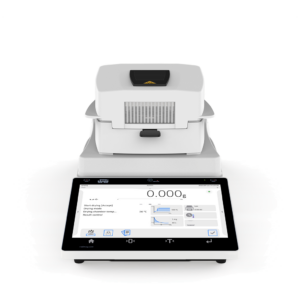
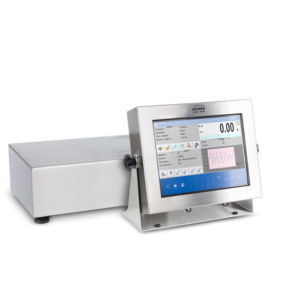
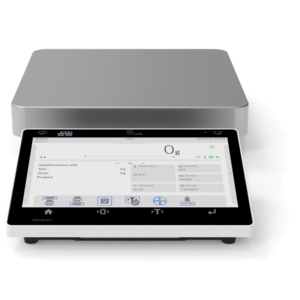
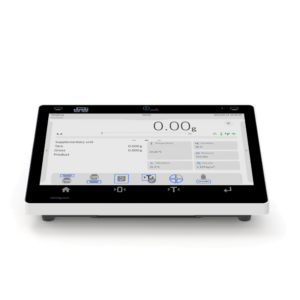
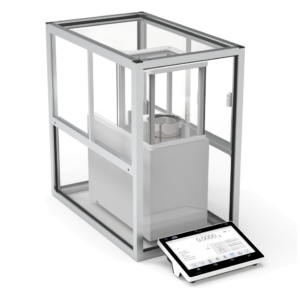
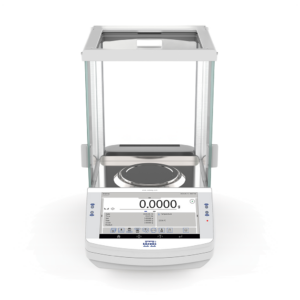
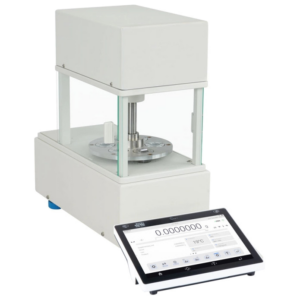
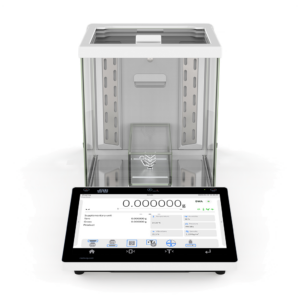
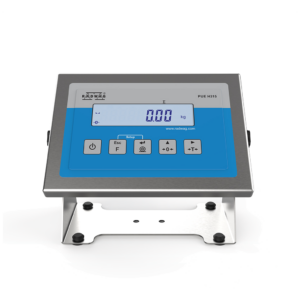
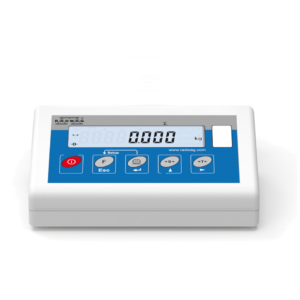
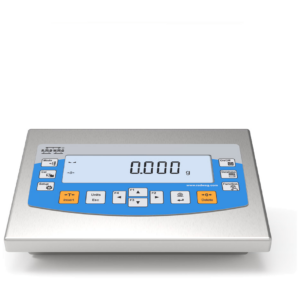
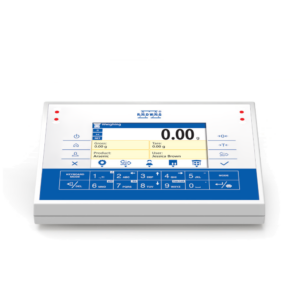
RADWAG has announced ELLIPSIS, a laboratory balance family with interaction tools that extend beyond ordinary weighing. The launch highlights voice interaction and operator identity verification.
-
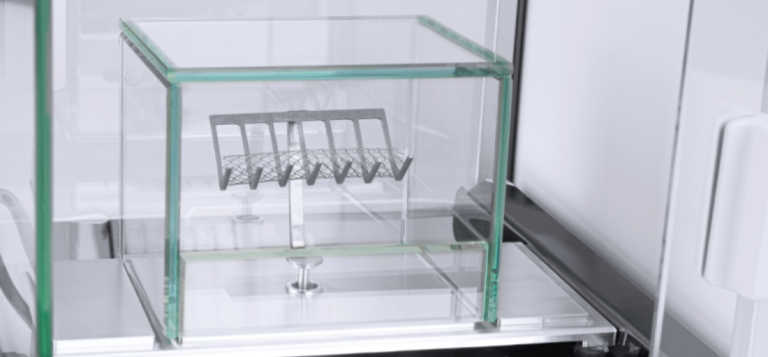
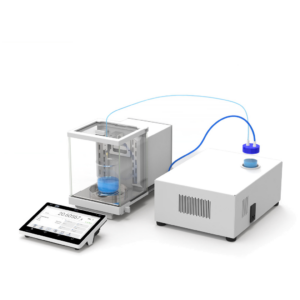
Using mass changes to assess thin coatings on stents
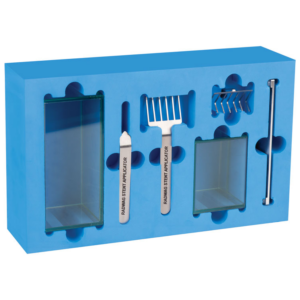
The Biomer Technology example explains why weighing can complement optical inspection of thin polymer coatings. A small mass change can provide rapid, non-destructive feedback on the amount applied during development or process checks.
-

Basic metrological tests IV: readability and verification intervals
A balance’s display division d and its verification interval e serve different purposes. The first describes the indication resolution; the second is used in legal-metrology classification and assessment. Their values need not be identical.
-
Basic metrological tests III: minimum weight and analytical-balance checks
The third part of the series discusses how small-sample work connects repeatability, accuracy, minimum weight and instrument adjustment. These concepts address different aspects of performance and should not be reduced to one specification.
-
Basic metrological tests II: preparing and performing balance checks
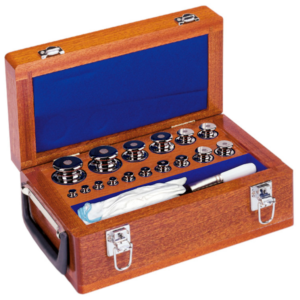
A useful test begins with a defined balance setup, suitable mass standards and a documented method. The instrument settings and environmental conditions affect how the resulting data should be interpreted.
-
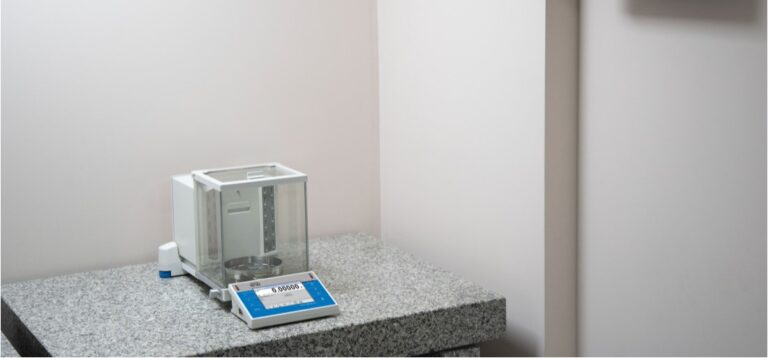
Common workstation conditions that disturb weighing
An inappropriate installation can prevent a capable balance from performing as expected. The source identifies vibration, draughts, temperature changes, humidity, lighting and electromagnetic influences as factors to review.
-
Basic metrological tests I: installation and operating conditions
Reliable weighing begins before the first sample is loaded. Installation should establish a suitable location, support, operating environment and measurement procedure for the instrument’s intended use.
-
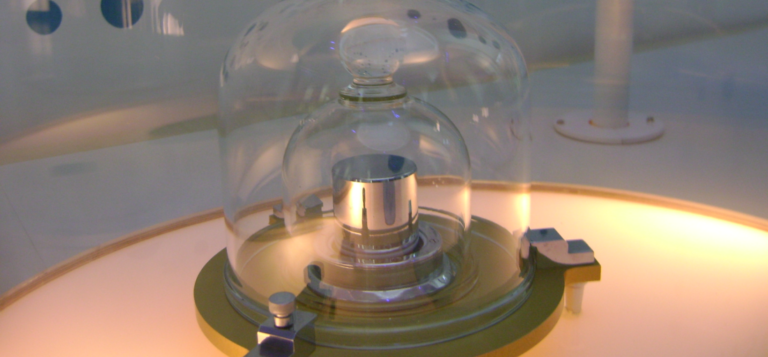
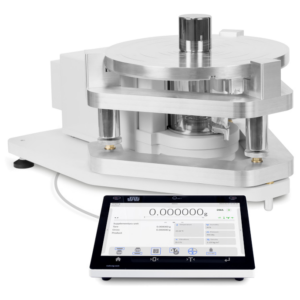
The redefined kilogram and the role of the Kibble balance
The former kilogram definition depended on a platinum-iridium artefact. The redefinition connects the unit to a fixed value of the Planck constant, providing a different foundation for the realisation of mass.
-

Using percent weighing with a defined reference mass
Percent weighing expresses a load relative to a reference taken as 100%. It is useful when the question concerns proportion or deviation from a standard rather than only an absolute mass value.
-
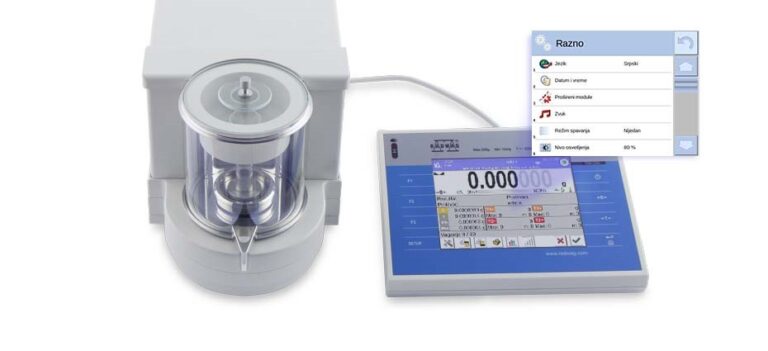
Serbian added to the 4Y balance interface
A software update introduces Serbian menus for RADWAG’s 4Y balance family. The addition brings the number of selectable menu languages to fourteen.
-

Parts counting by weighing: setting a reliable unit mass
Parts counting estimates quantity from the total mass and a unit-mass reference. The reference can be entered directly or determined by weighing a known number of pieces.
-

What balance eccentricity means and how to test it
Eccentricity is the change in indication caused by moving the same load from the centre to other specified positions on the pan. It addresses load-position sensitivity, which is different from repeatability at one position.