Whether a weighing instrument is subject to legal control depends on its application and jurisdiction. A balance used for a regulated purpose must be assessed against the requirements applicable to that use.
Legal verification and calibration provide different evidence. Verification addresses specified legal-metrology requirements; calibration establishes the measurement relationship and uncertainty. A verified instrument is not automatically proven suitable for every laboratory tolerance.
Identify the intended use, the relevant legal framework and the required measurement performance separately. Then retain the appropriate documentation for each. The original article explains the distinction through examples, while the EU directive provides the primary framework for relevant categories of non-automatic weighing use.
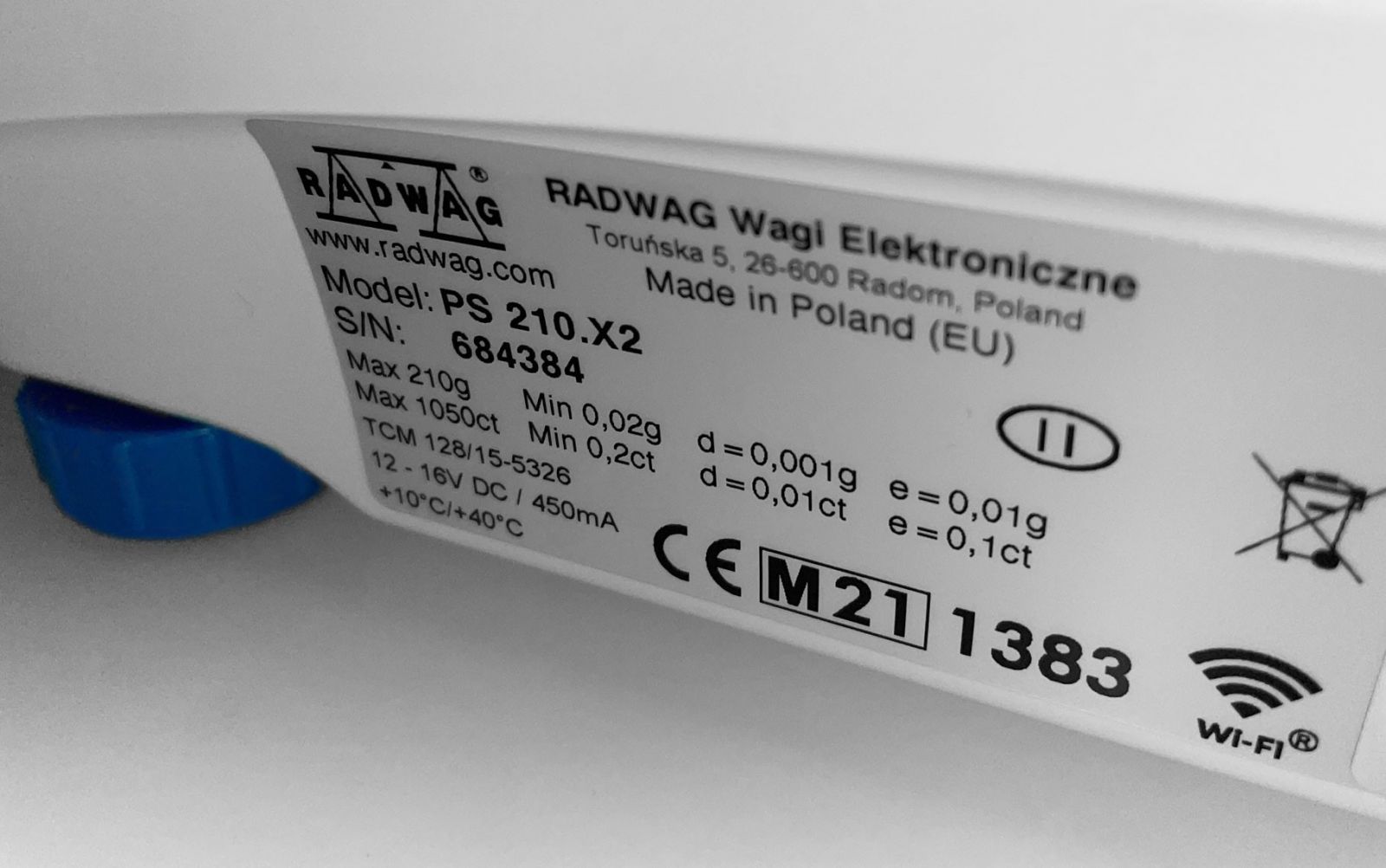
EU: non-automatic weighing instruments
Source: RADWAG technical article.