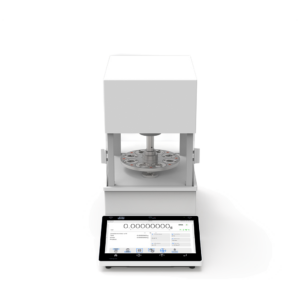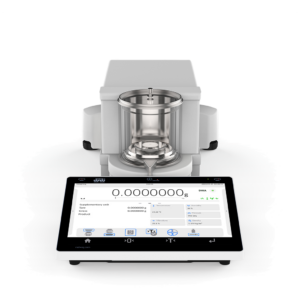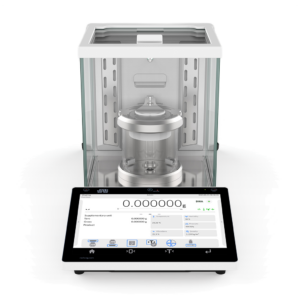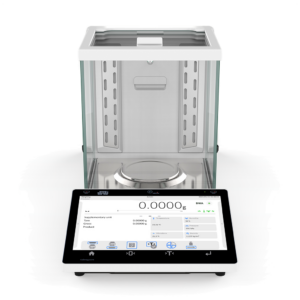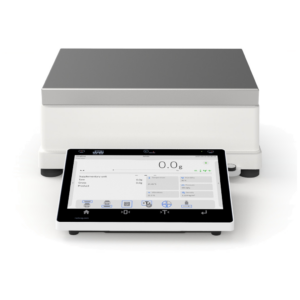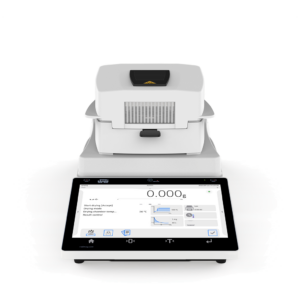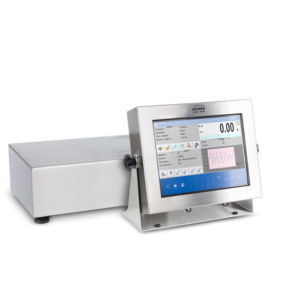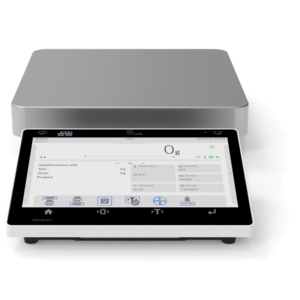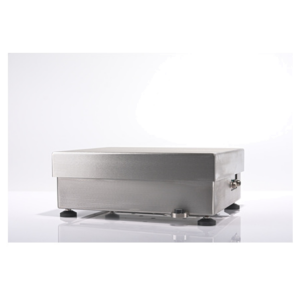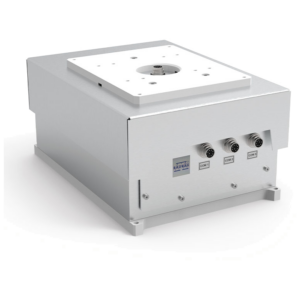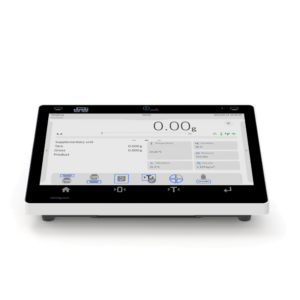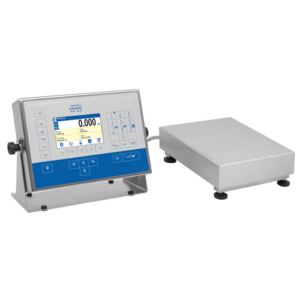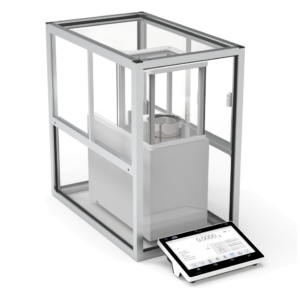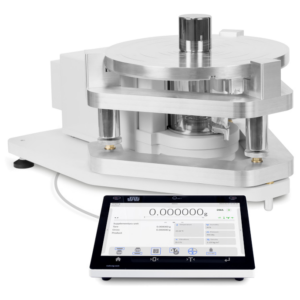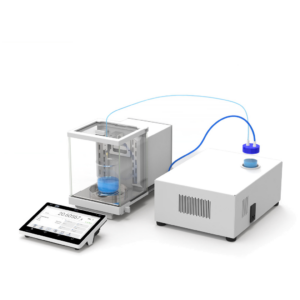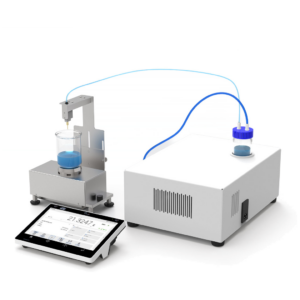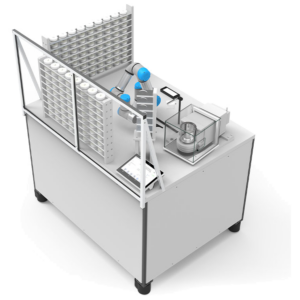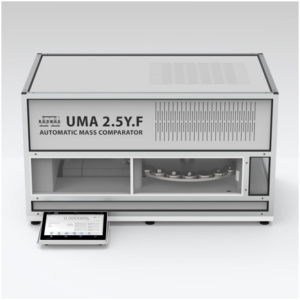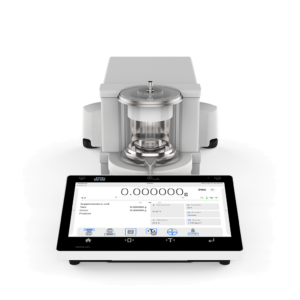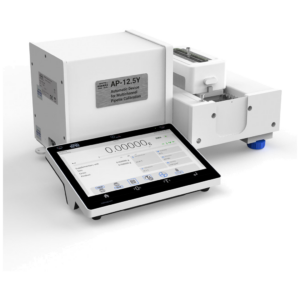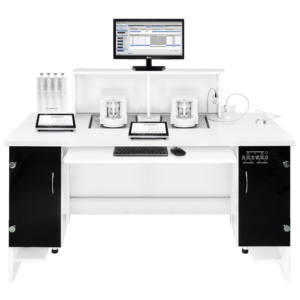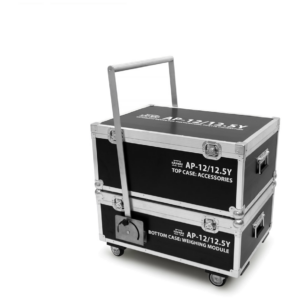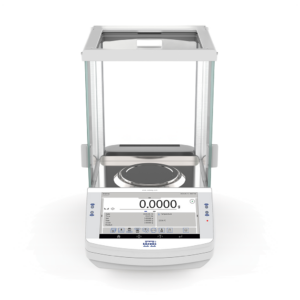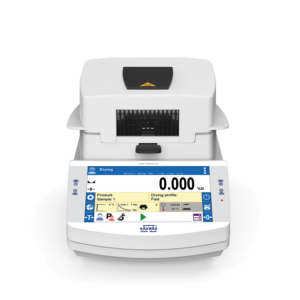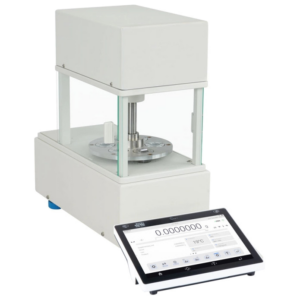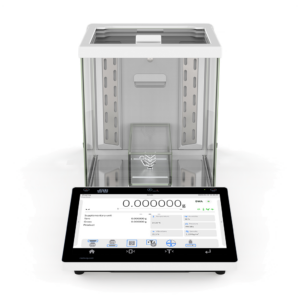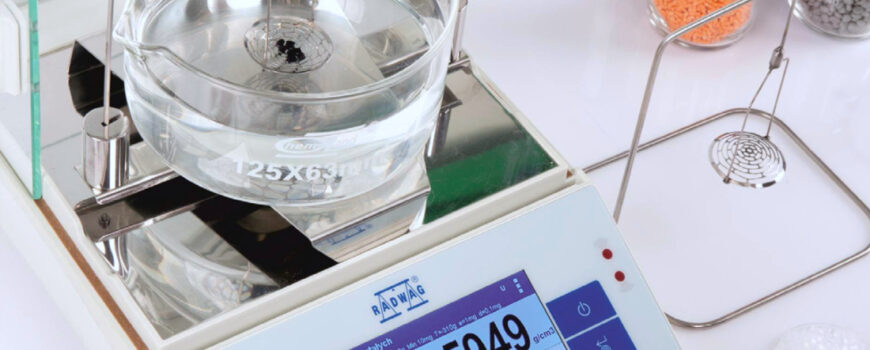
The immersion method compares a solid's mass indication in air with its apparent mass when submerged in a liquid of known density. Buoyancy provides the link between the two readings and the sample volume.
In the simplified relationship described in the source, sample density equals the liquid density multiplied by the air reading, divided by the difference between the air and immersed readings. The method therefore depends on obtaining reliable readings in both conditions.
Air bubbles, an inhomogeneous sample, liquid temperature and an unstable measuring system can affect the result. Prepare the specimen and immersion arrangement carefully, and use the applicable procedure to account for required corrections. The linked English study explains the ISO 1183 context and provides experimental examples for plastics.
Original English technical document (PDF)
Source: RADWAG technical article.