

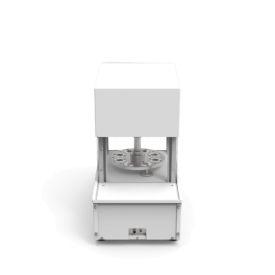
ANB1.5Y
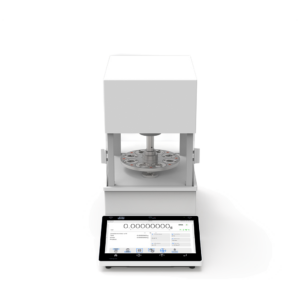
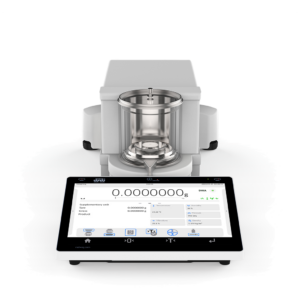
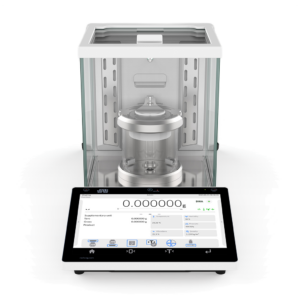
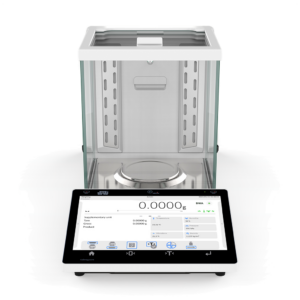
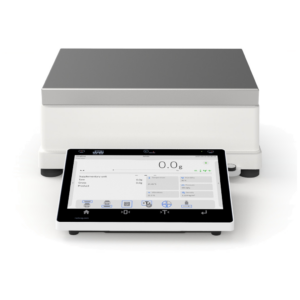
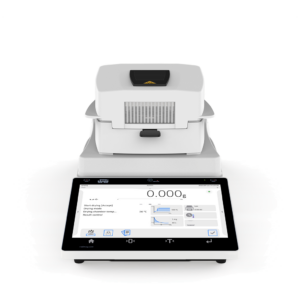
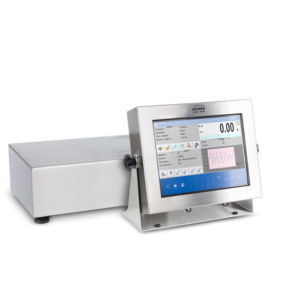
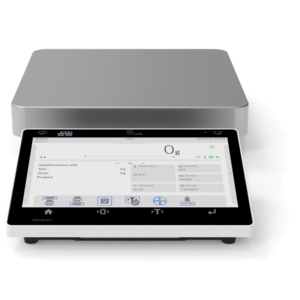
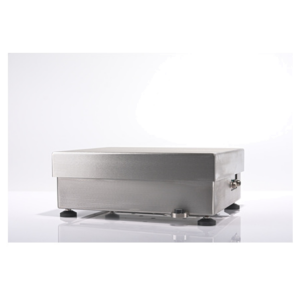
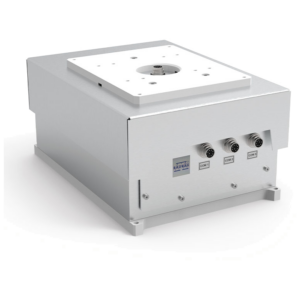
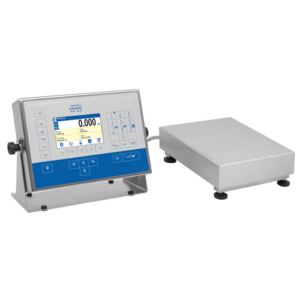
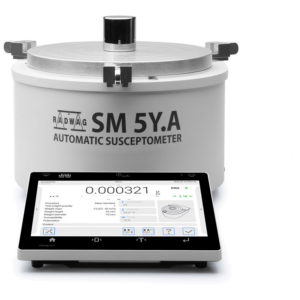
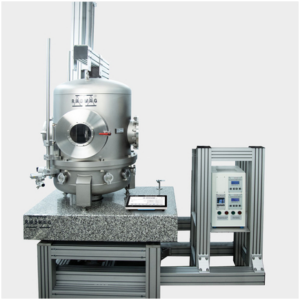
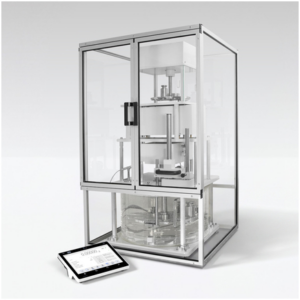
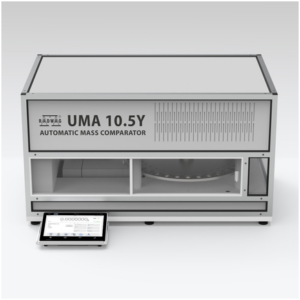
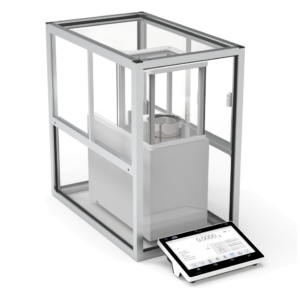
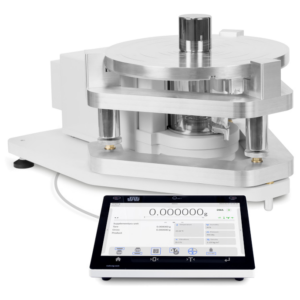
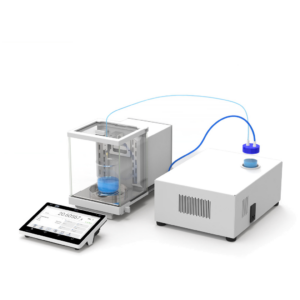
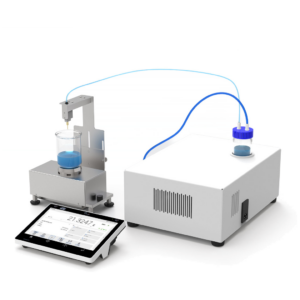
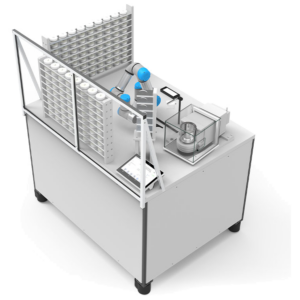
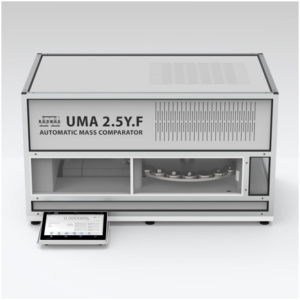
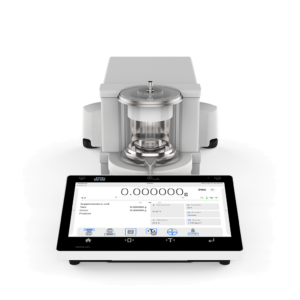
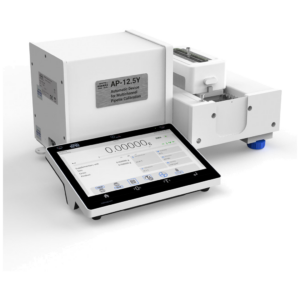
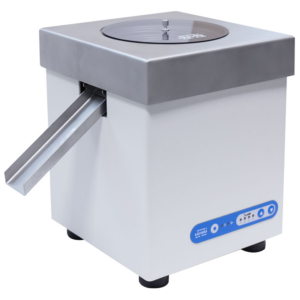
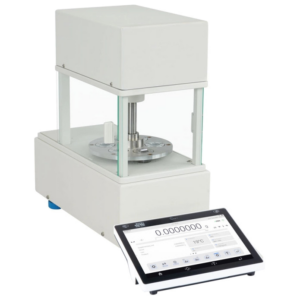
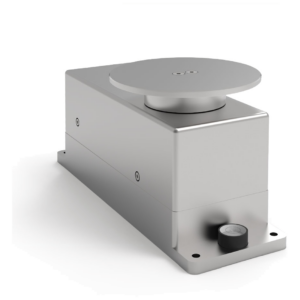
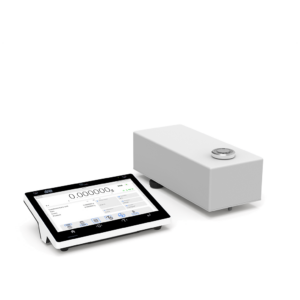
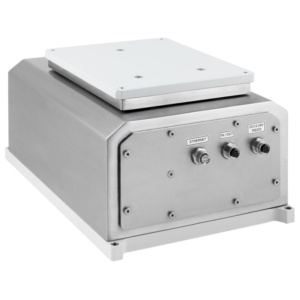
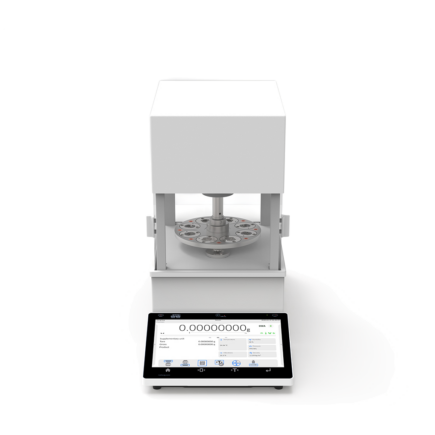
The ANB 1.5Y Automatic Nano Balance is designed for highly accurate mass measurements, with a maximum capacity of 1 g and a readability of 10 ng. Its innovative actuator, fully automated weighing system and enclosed weighing chamber ensure repeatable measurement cycles and stable measurement conditions, making it suitable for applications in environmental monitoring, analytical chemistry, biotechnology and nanotechnology.
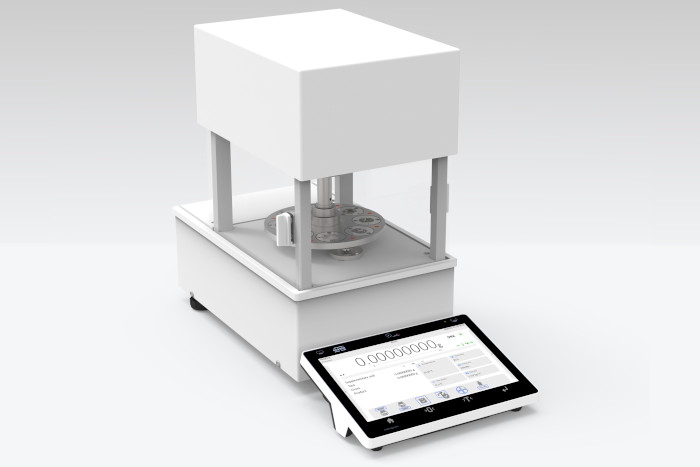
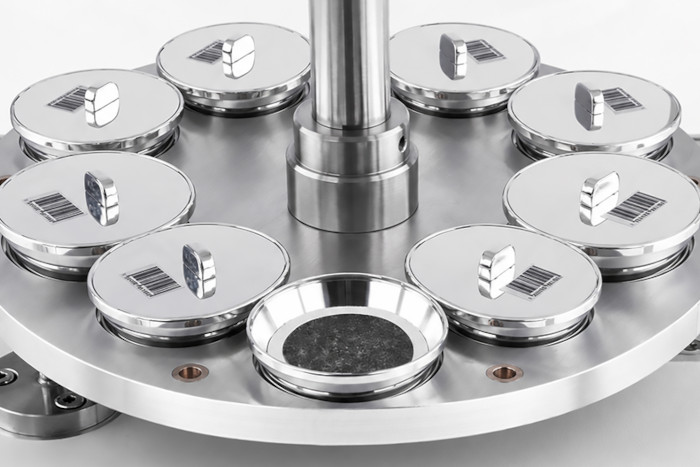
A Nanostructure Designed for Maximum Repeatability
- Fully automated weighing system ensuring repeatable measurement cycles with minimal operator intervention.
- Elimination of eccentricity errors through automated and reproducible positioning of the test sample on the balance weighing pan.
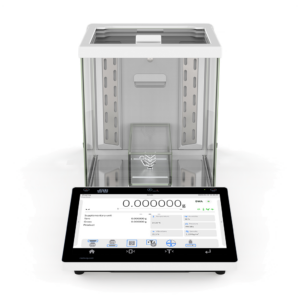
- Stable measurement conditions provided by a fully enclosed weighing chamber, minimising the influence of environmental disturbances.
- Consistent time intervals between successive sample placements, ensuring repeatable measurement conditions and improved comparability of results.
- Elimination of air currents within the weighing chamber during the measurement process.
Intelligent Software for Measurement Automation
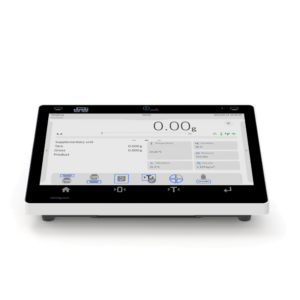
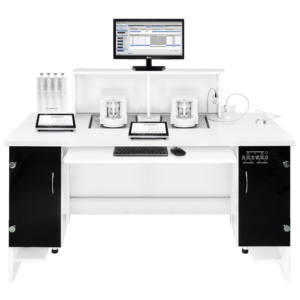
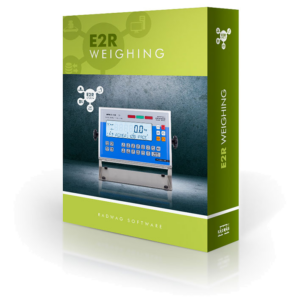
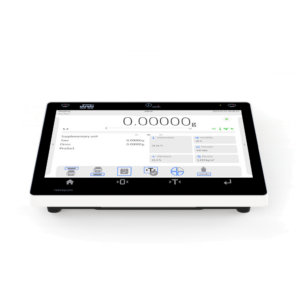
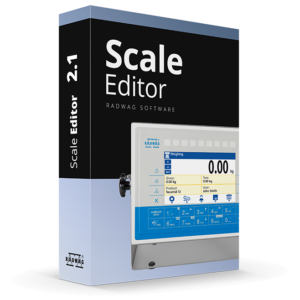
The balance is equipped with dedicated software that enables a series of mass measurements to be performed automatically, followed by the averaging of results based on a user-defined number of measurement cycles. This solution facilitates the assessment of measurement repeatability, reduces the need for manual data analysis and streamlines day-to-day laboratory work.
Examples of Applications
1. Environmental pollution monitoring
- Investigation of mass changes in small dust samples
- Analysis of deposits on filters
- Investigation of trace contaminants and residues
- Measurement of mass changes in samples due to humidity
- Investigation of contaminant uptake processes by materials.
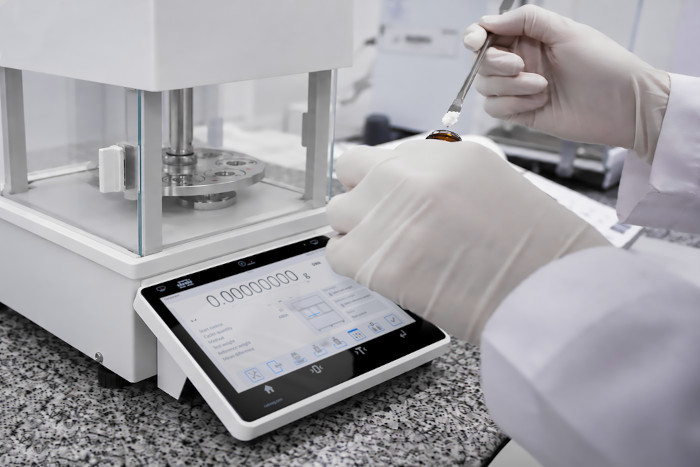
2. Analytical chemistry and trace analysis
- Investigation of small amounts of deposits and residues
- Measurement of mass changes in samples during chemical reactions
- Analysis of residues after solvent evaporation
- Investigation of sorption and desorption processes
- Mass control of small reference samples.
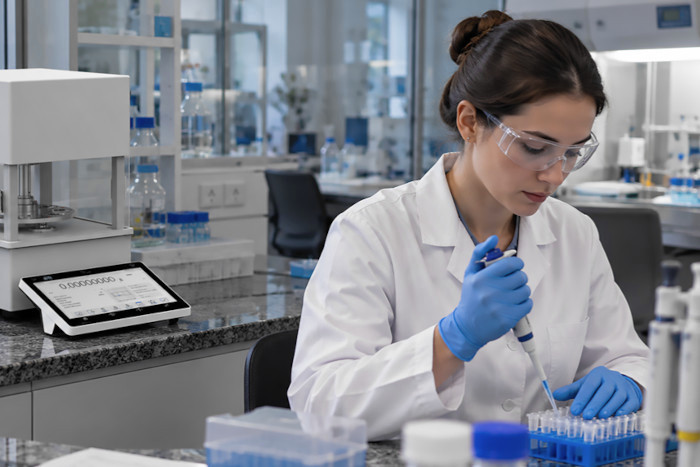
3. Biotechnology and microbiology
- Investigation of mass changes in small biological samples
- Analysis of moisture sorption by biological materials
- Investigation of residues after drying processes
- Determination of mass changes in biological materials under controlled conditions.
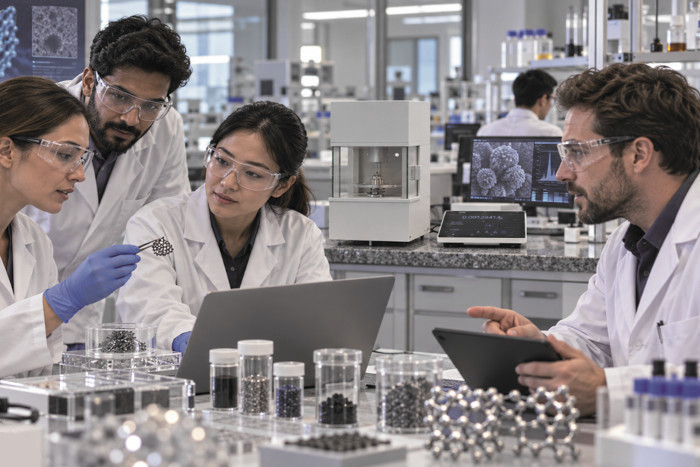
4. Nanotechnology and materials engineering
- Investigation of mass gain following the deposition of thin coatings
- Analysis of changes in material mass after surface treatment
- Investigation of moisture sorption and desorption
- Analysis of substance adsorption processes on surfaces.