Metrology concerns measurement in both theory and practice. In laboratory work, reliable results require more than a suitable instrument: the method, reference standards, conditions and uncertainty must also be understood.
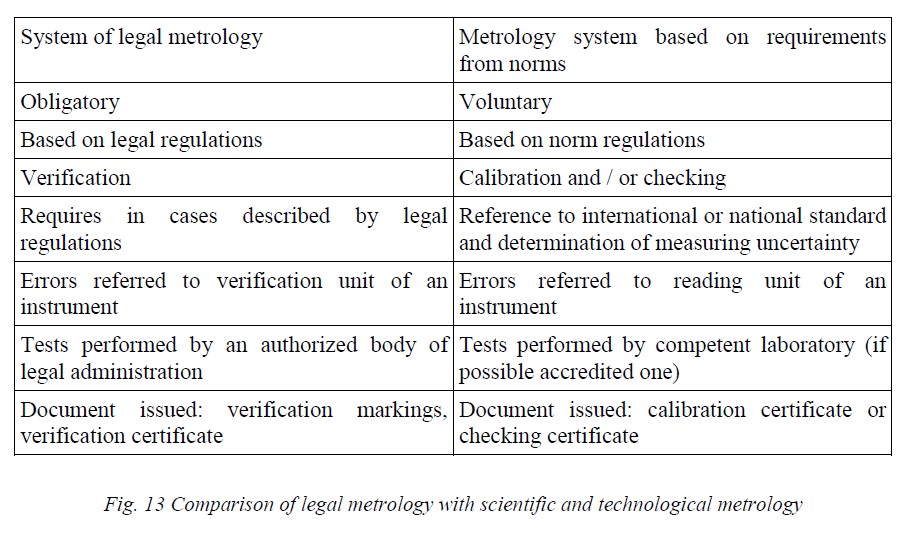
Scientific and industrial metrology use calibration and other controls to connect results with recognised references. Legal metrology addresses defined uses where law establishes additional requirements. These roles overlap in practice but should not be confused.
Supervise equipment through an appropriate combination of calibration, intermediate checks and maintenance, and assess legal obligations separately for the application. The original article dates from 2007, so its historical regulatory examples should be read alongside the applicable current framework rather than used as present-day instructions on their own.
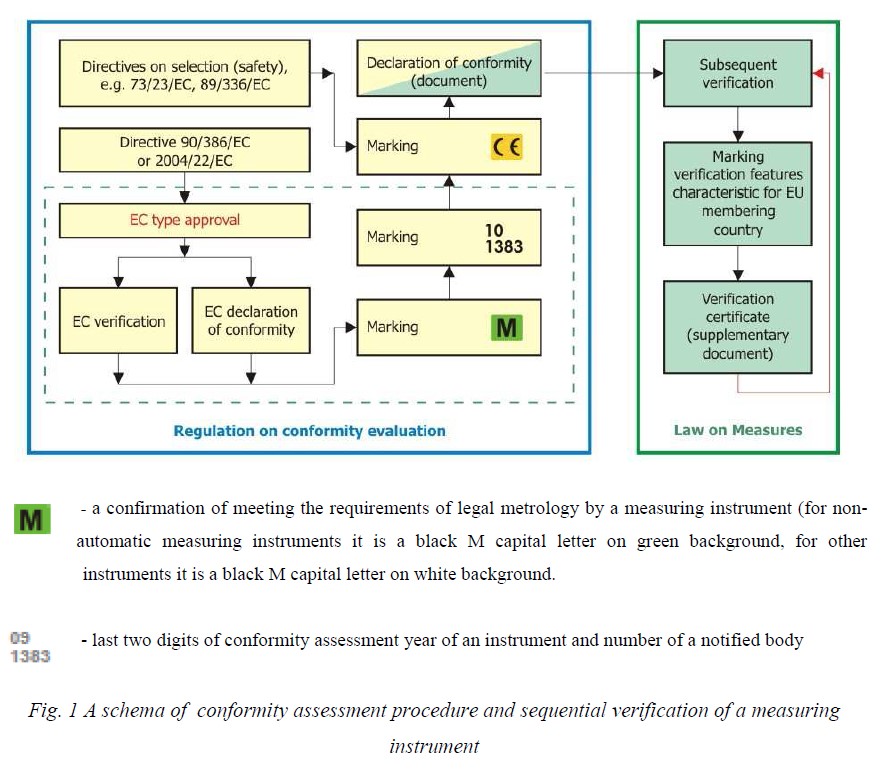
EU: non-automatic weighing instruments
Source: RADWAG technical article.