-
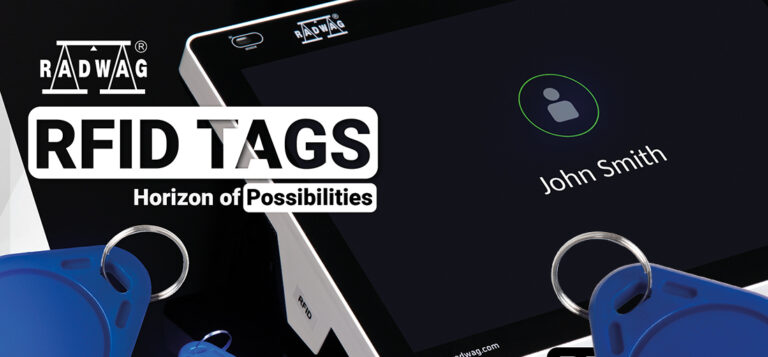
Using RFID tags for identification in weighing workflows
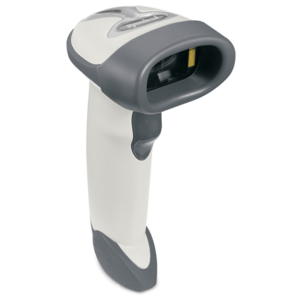
A passive RFID tag contains a chip and antenna and is read through radio-frequency communication. It can identify a person or an item without requiring manual entry of an identification code.
-
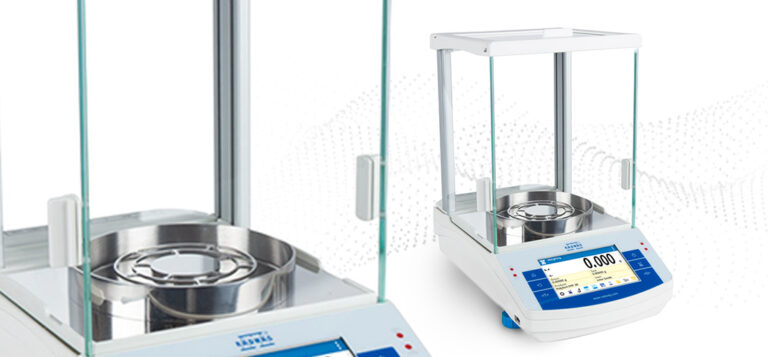
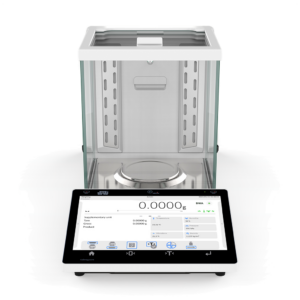
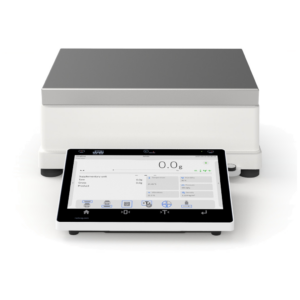
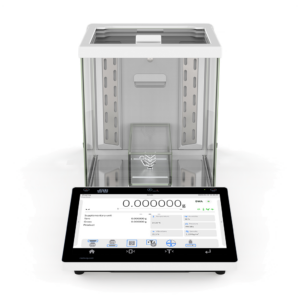
AS 3100.X2 PLUS balance introduced
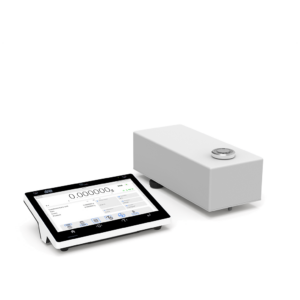
The AS 3100.X2 PLUS entered RADWAG’s range on 22 December 2022. Its announced specification combines a maximum capacity of 3.1 kg with readability of 1 mg.
-
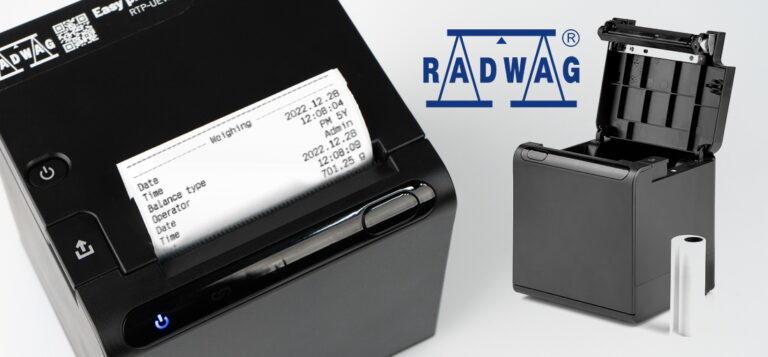
RADWAG launches RTP-RU80 and RTP-UEW80 receipt printers
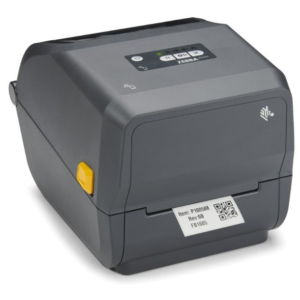
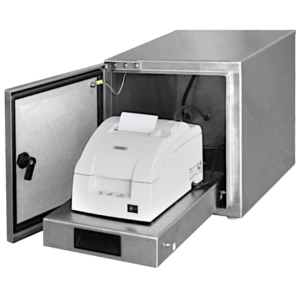
RTP-RU80 and RTP-UEW80 are RADWAG’s first own-production receipt printer models for use with balances and scales. The range was announced for availability from 1 January 2023.
-
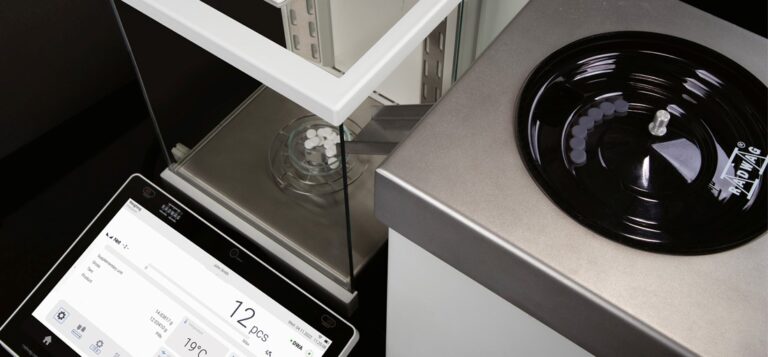
How an automatic feeder presents small items for weighing
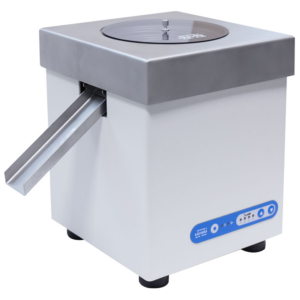
The PA-04/H separates small objects and feeds them regularly onto a connected balance. The source describes uses with tablets, capsules and small manufactured components.
-

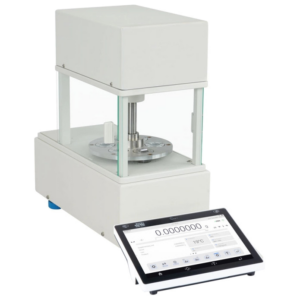
Determining solid and liquid density with a weighing kit
A density kit provides the mechanical arrangement for obtaining the weighing values required by a density method. For a solid, comparing its behaviour in air and an immersion liquid uses buoyancy to relate mass and volume. Liquid measurements use a…
-
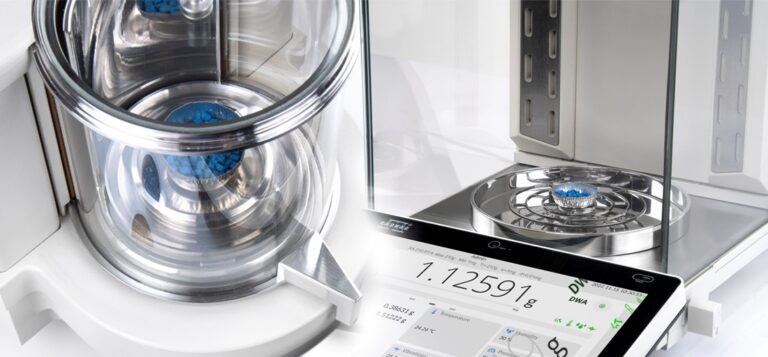
New aluminium weighing dishes for small laboratory samples
RADWAG has added weighing dishes for handling small samples on its most sensitive laboratory instruments. Compatibility covers UYA ultra-microbalances, selected MYA and XA microbalances, and several XA and AS analytical balance families.
-
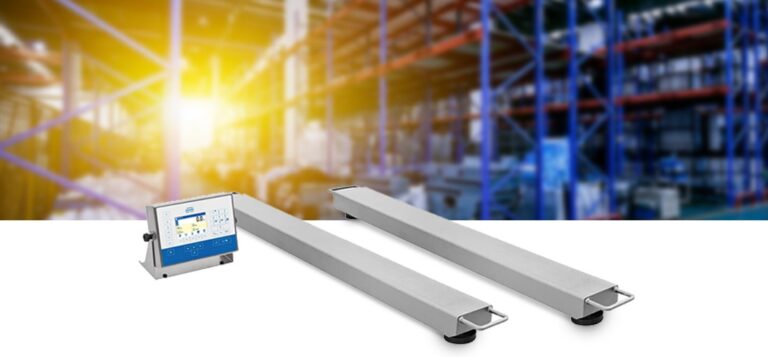
Understanding Ex zones when selecting weighing equipment
Hazardous-area equipment selection begins with the classified location. Gas, vapour or mist atmospheres use zones 0, 1 and 2; combustible-dust atmospheres use zones 20, 21 and 22. The classification reflects the likelihood and duration of an explosive atmosphere.
-
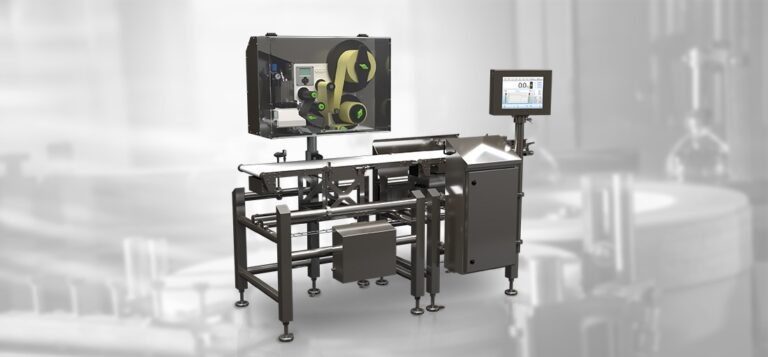
Variable-weight labelling with a checkweigher
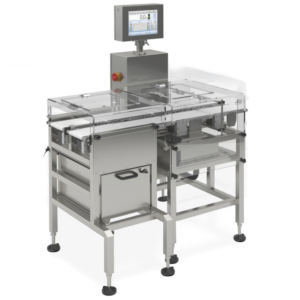
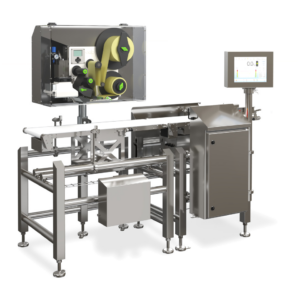
A labelling checkweigher combines automatic mass measurement with a label-generation step. The DWM HPE example is intended for goods whose individual weight affects the information printed on the label.
-
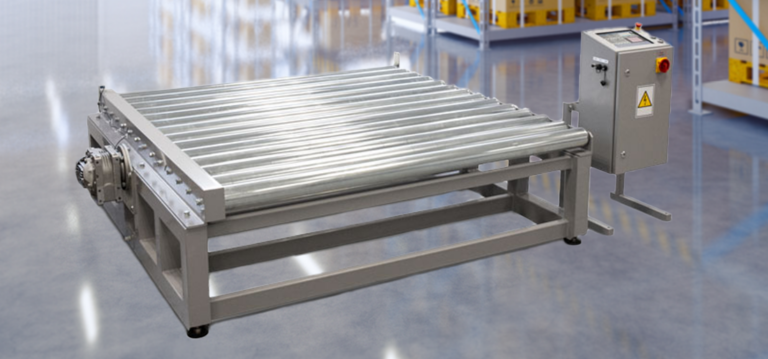
Integrating a roller scale into a production line
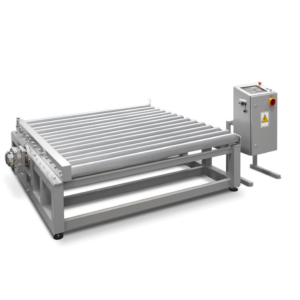
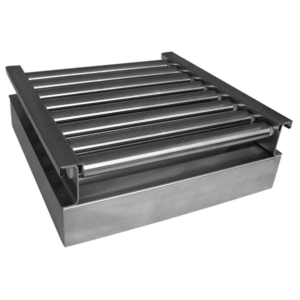
A roller scale supports mass checks on larger packages such as crates or pallets as they move through a line. The source describes configurations for final checks before warehousing or dispatch.
-
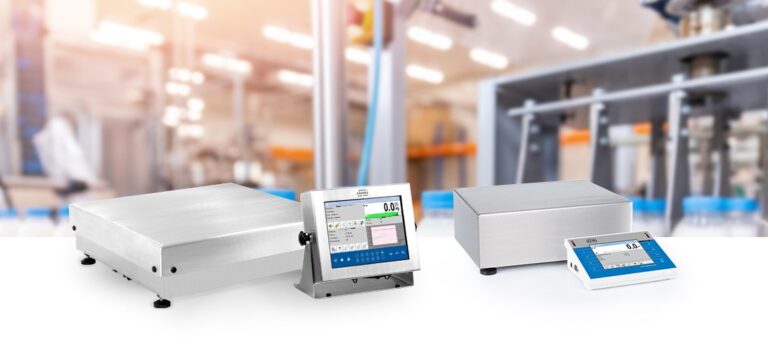
Updated HRP specifications bring 0.1 g readability
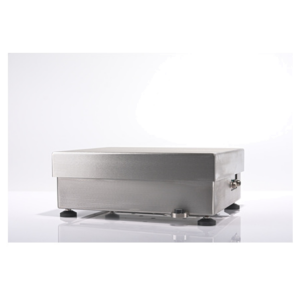
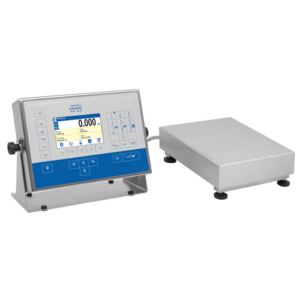
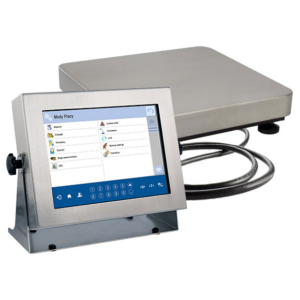
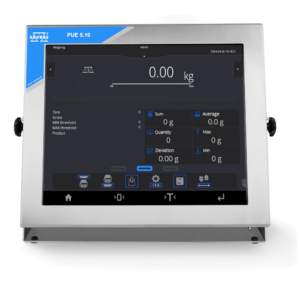
From 14 October 2022, the HY10.62.HRP, HY10.62.HRP.H and PUE 7.1.62.HRP models receive improved measurement specifications. The published figures are 0.1 g readability, 0.08 g repeatability and ±0.4 g linearity.
-

What piston-pipette calibration establishes
Piston pipettes transfer liquid using a defined delivery mechanism. They may have one or several channels and fixed or adjustable volume. Their calibration assesses delivered volume rather than simply checking that the control moves freely.
-
Calibration and adjustment of mass standards
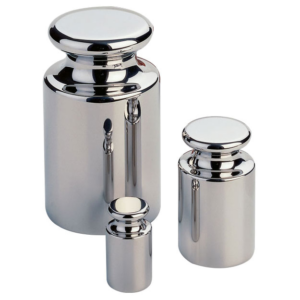
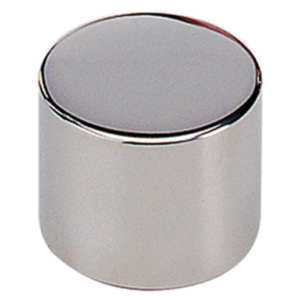
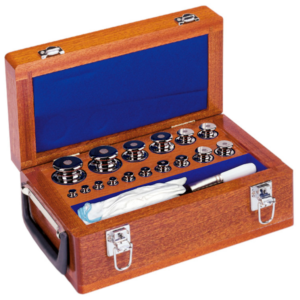
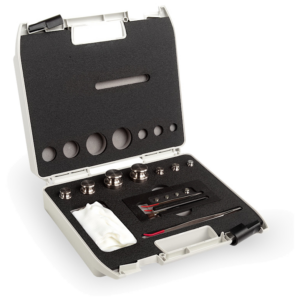
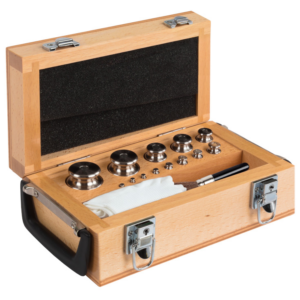
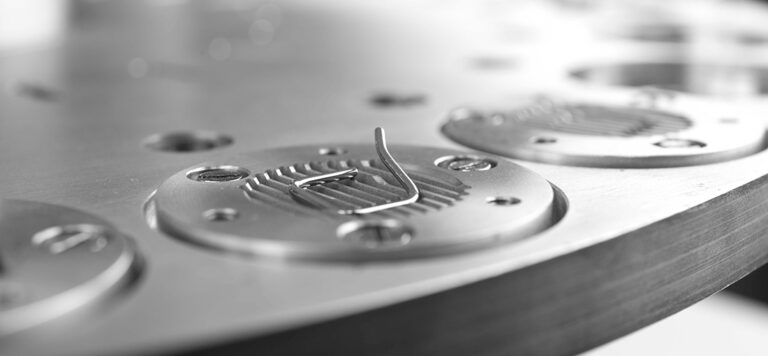
Calibrating a mass standard establishes its mass through comparison with a suitable reference. The source describes the accuracy-class hierarchy and the use of a higher-class standard when assessing a lower-class one.