Conformity assessment and legal metrological control should not be confused with calibration. The EU framework for non-automatic weighing instruments distinguishes categories of use, including commercial transactions and specified medical, pharmaceutical or administrative applications.
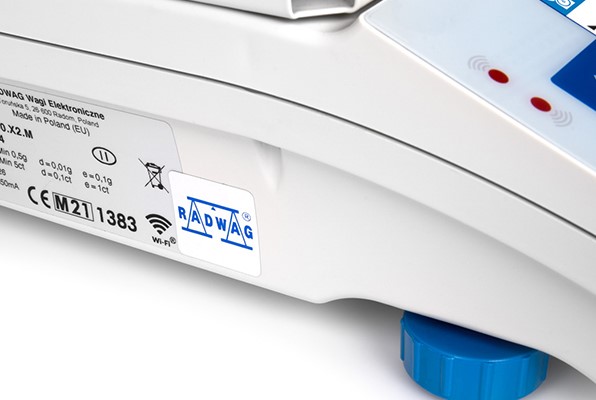
Identify the intended use, then check the instrument's markings, documentation and applicable local requirements. Reverification arrangements and intervals are governed by the relevant national framework; an example from one country should not be transferred automatically to another.
Calibration provides a measurement relationship and uncertainty, while legal control addresses the applicable regulated requirements. An organisation may need both kinds of evidence. The original article provides background and examples; the linked EU directive is the primary reference for its scope.

EU: non-automatic weighing instruments
Source: RADWAG technical article.