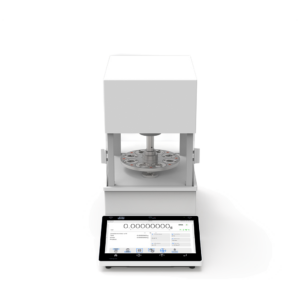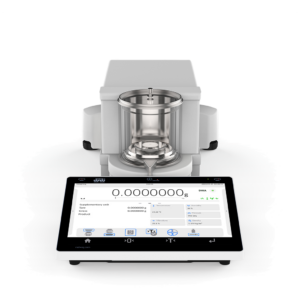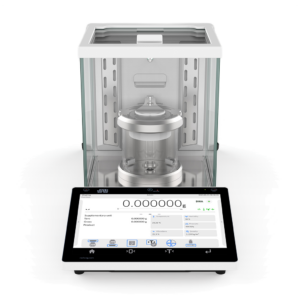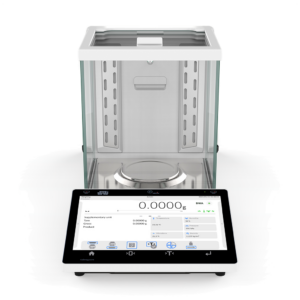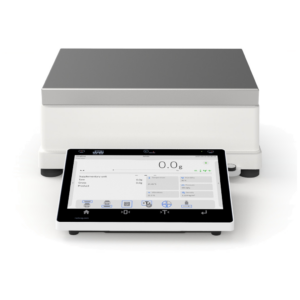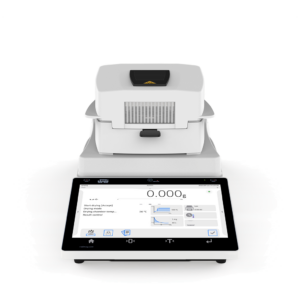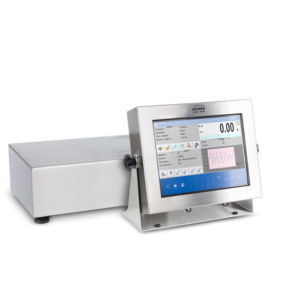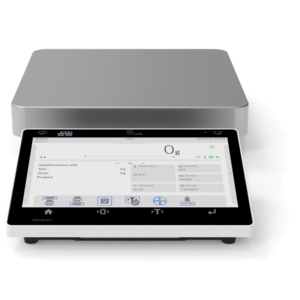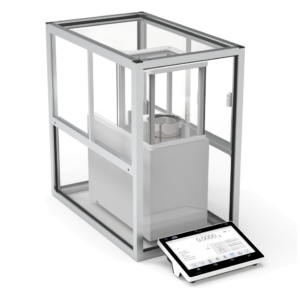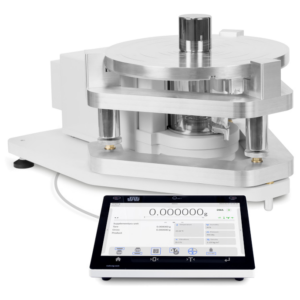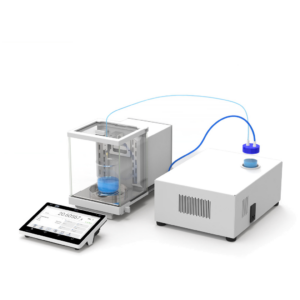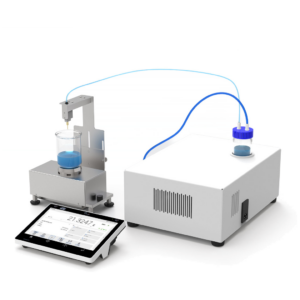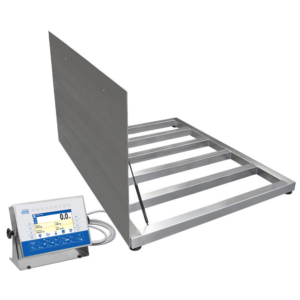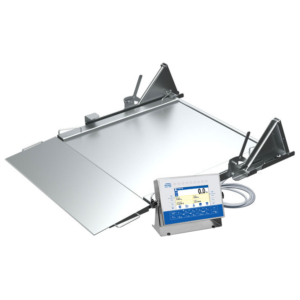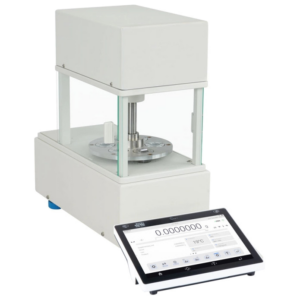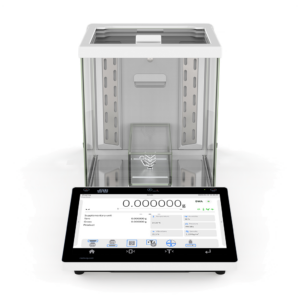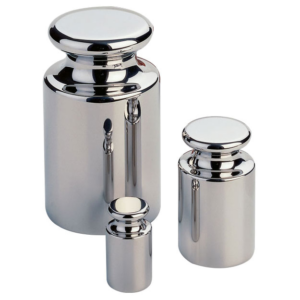
A routine programme should distinguish calibration, adjustment and checks of characteristics such as repeatability, eccentricity and linearity. Each supplies different information about the instrument and weighing process.
Define the required performance and the conditions in which it must be maintained. Select checks that can detect relevant changes, record the results and establish how an unsatisfactory result will be handled.
Recalibration intervals should reflect instrument stability, use, environment, required uncertainty and previous evidence. Intermediate checks can inform a review of the interval. Do not transfer an example interval from an article into every application without assessment. The linked OIML/ILAC guidance provides a primary reference for selecting and reviewing recalibration periods.


Calibration intervals: OIML/ILAC guidance
Source: RADWAG technical article.