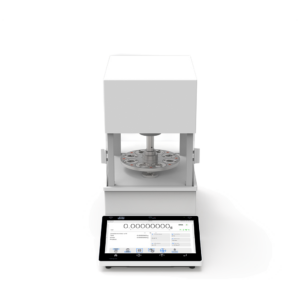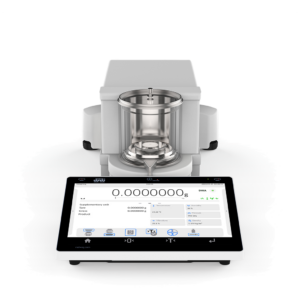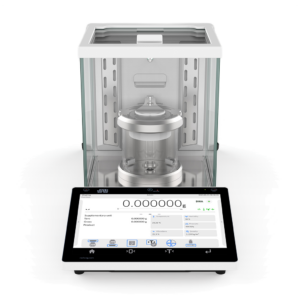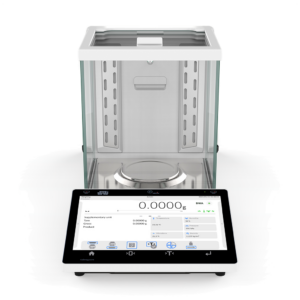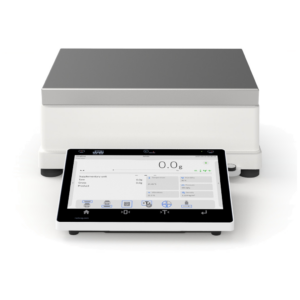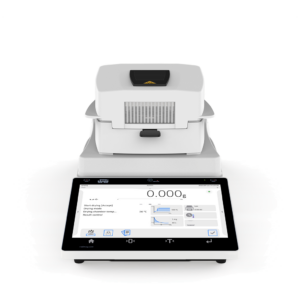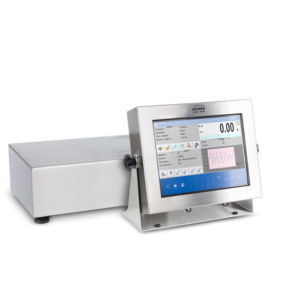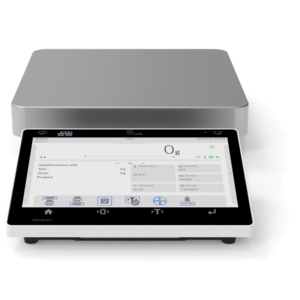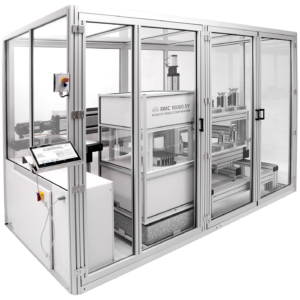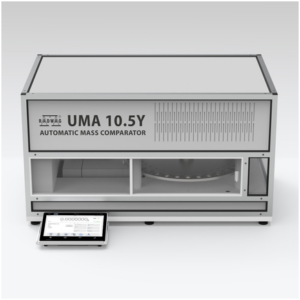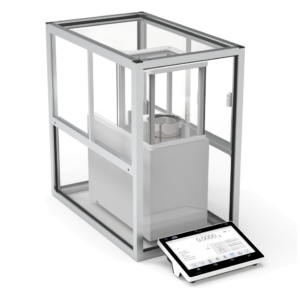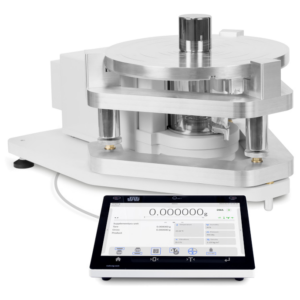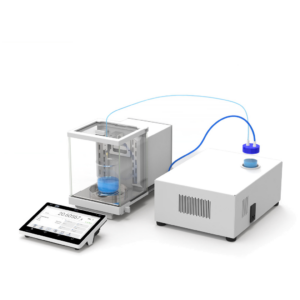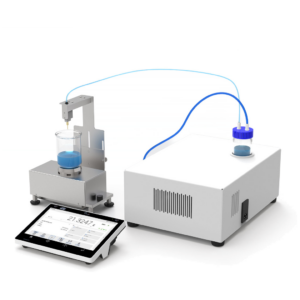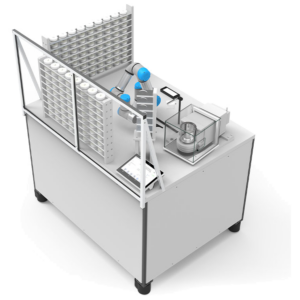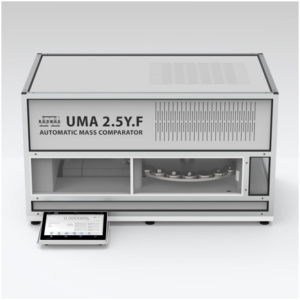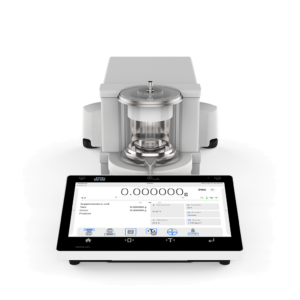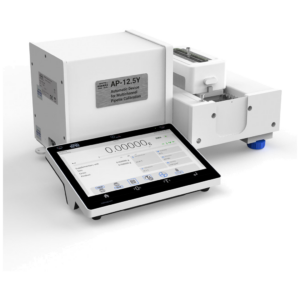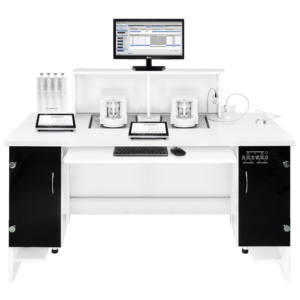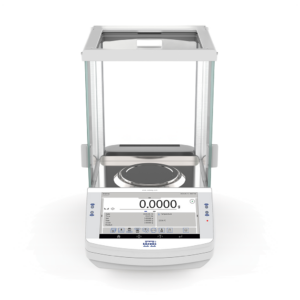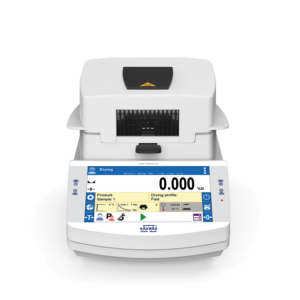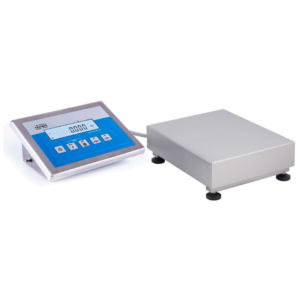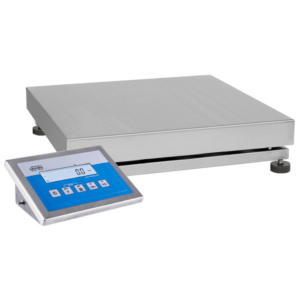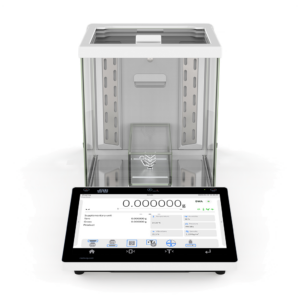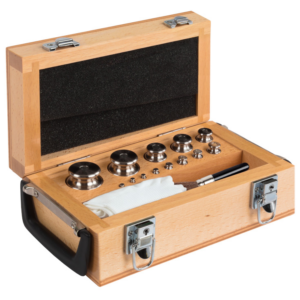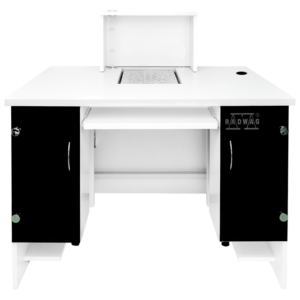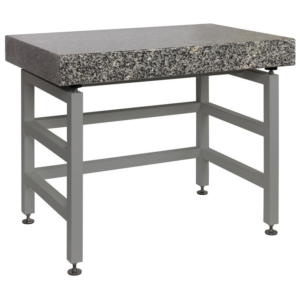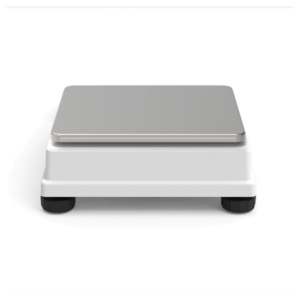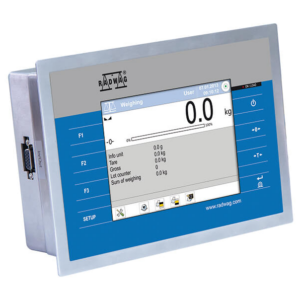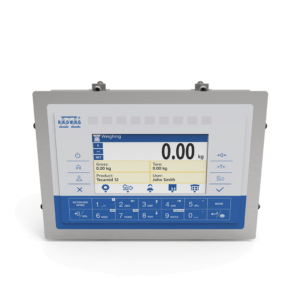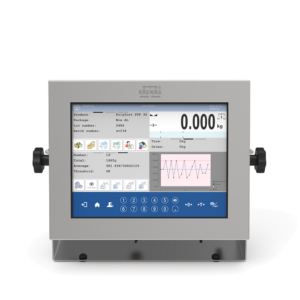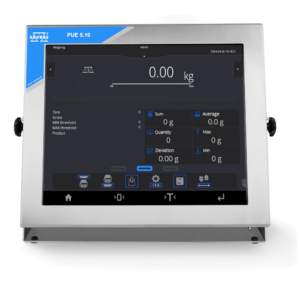
Students need to learn why a weighing procedure matters as well as how to read the display. Common errors include weighing warm vessels, touching glass with bare hands, leaving the chamber exposed to draughts, recording an unsettled reading and failing to clean the working area.
Demonstrate these effects using a controlled comparison: change one handling condition, observe the indication, then restore the correct procedure. Link sample mass to the subsequent calculation so that students see how a weighing error propagates through an experiment.
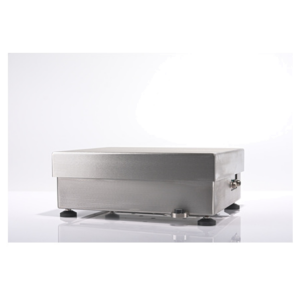
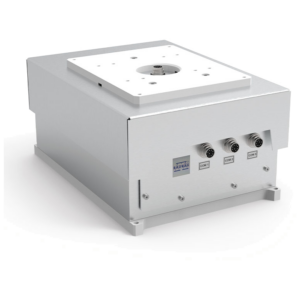
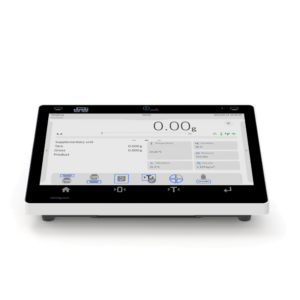
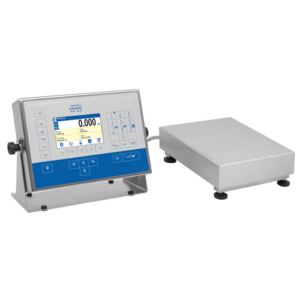
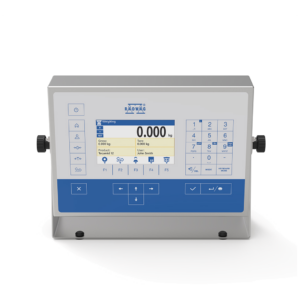
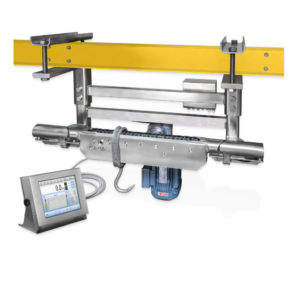
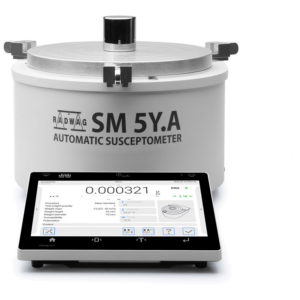
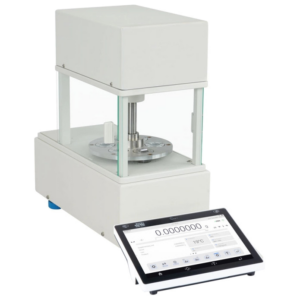
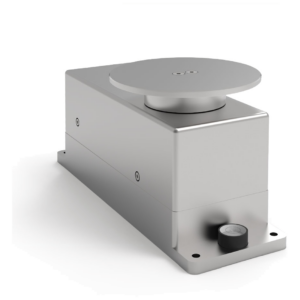
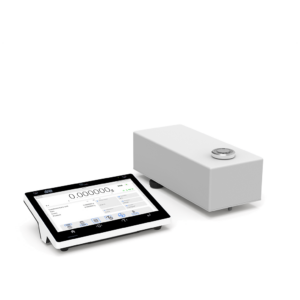
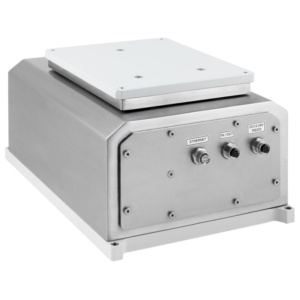
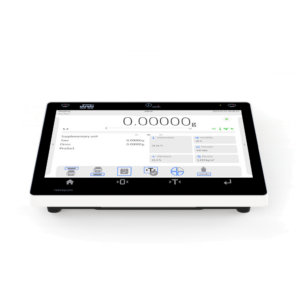
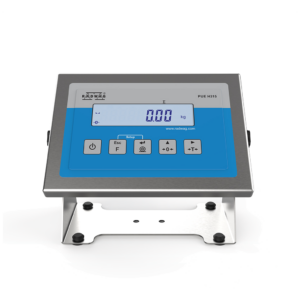
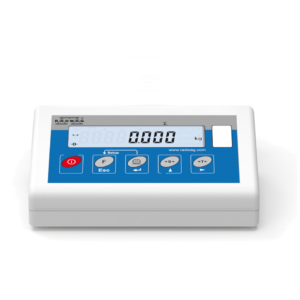
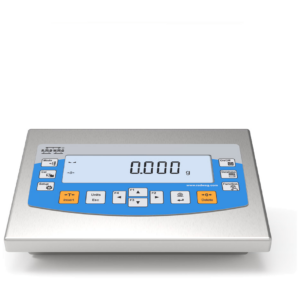
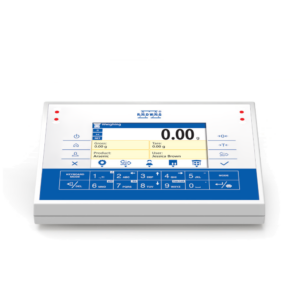
For a teaching laboratory, match instrument capability to the exercises and expected loads. Durable construction, a clear interface and useful records support instruction, but they work best alongside explicit steps for levelling, adjustment, sample handling and waiting for a stable result.
Source: RADWAG technical article.