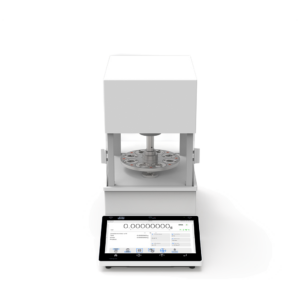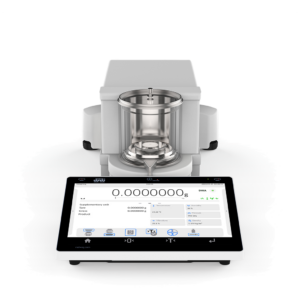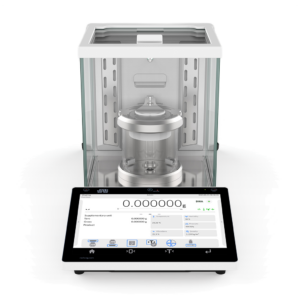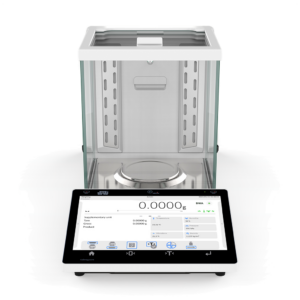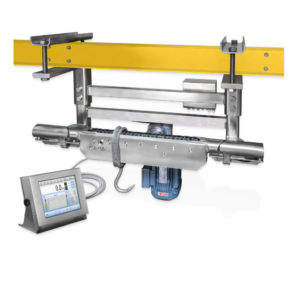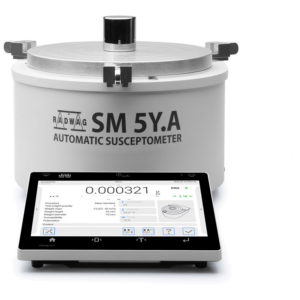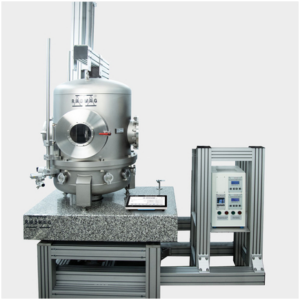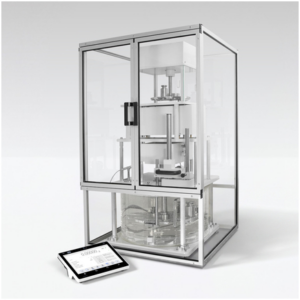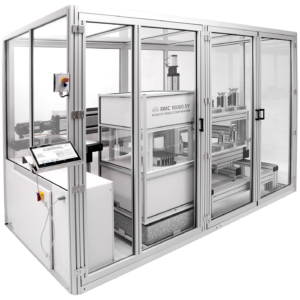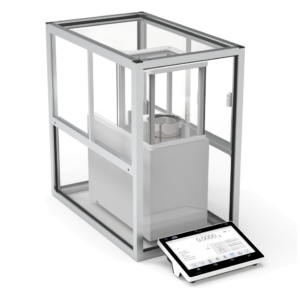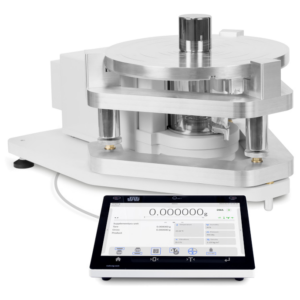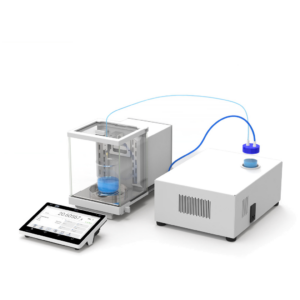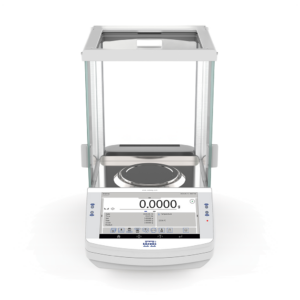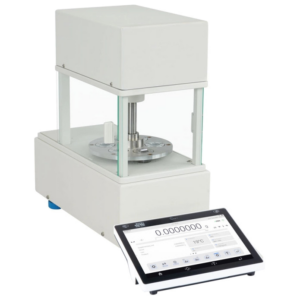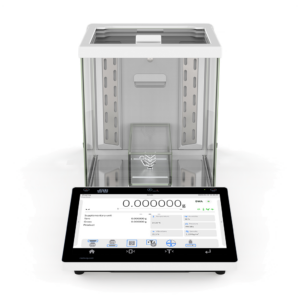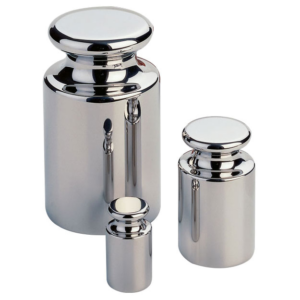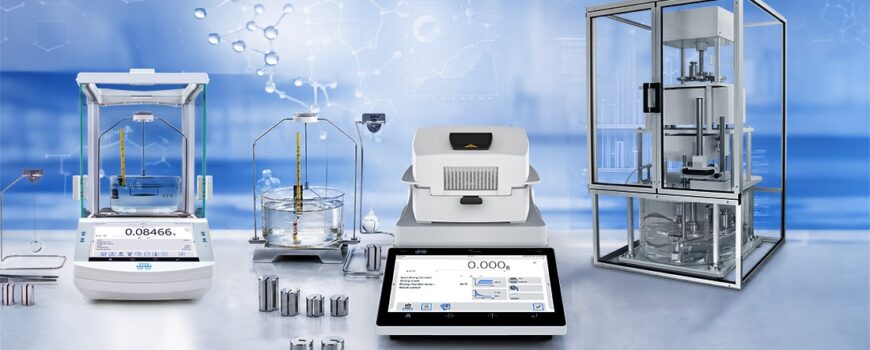
A laboratory balance can reveal more than the mass of an object. With a defined measurement method, changes in the force on its measuring system can be related to density, material uptake or other physical properties.
For example, immersing a solid in liquid reduces its apparent weight through buoyancy. Comparing the readings in air and liquid provides the information needed for a density calculation. Gas measurements and sorption experiments similarly depend on controlled comparisons rather than simply placing a free sample on a pan.
The measurement model matters: air buoyancy, environmental changes and gains or losses of moisture can all alter the signal. Define what the change represents, control the conditions, and distinguish a physical effect from a weighing disturbance before interpreting the result.
Source: RADWAG technical article.