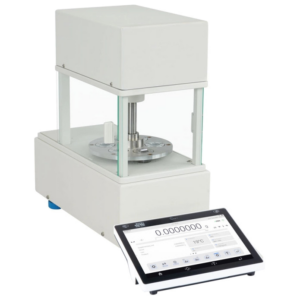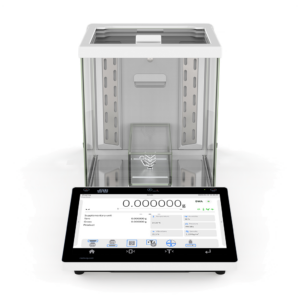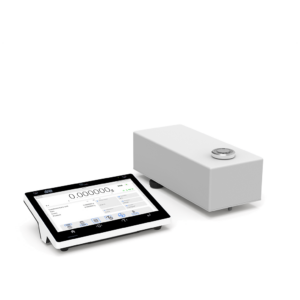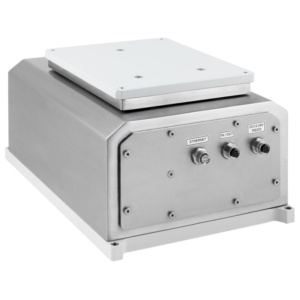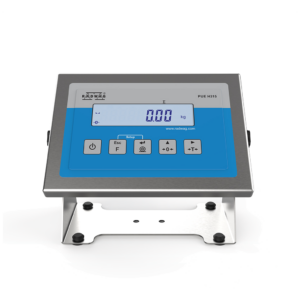
A balance responds to forces, so the surrounding air is part of a high-precision measurement. Air buoyancy changes with air density, which depends on temperature, pressure and humidity. Differences that are negligible in ordinary weighing can matter when measuring very small samples.
Temperature also affects the instrument and sample. A vessel warmer than its surroundings can generate convection currents and an unstable indication. Humidity and carbon dioxide change air properties; their importance depends on the uncertainty required.
For repeatable work, let samples reach laboratory temperature, reduce draughts and vibration, and record the relevant environmental conditions. A finer display division does not compensate for an uncontrolled workstation. Compare results only after checking whether the measurement conditions were comparable.
Source: RADWAG technical article.